

If you’re reading this, you’ve already taken the most important step—recognizing that help is needed. Whether you’re struggling with addiction yourself or watching a loved one battle substance use disorder, the decision to seek treatment requires immense courage. Chemical dependency affects individuals from all walks of life, but you’re not alone in this journey, and recovery is not only possible but achievable with the right support and treatment program.
Finding the right rehab centers, for drugs can feel overwhelming when you’re already dealing with the emotional and physical challenges of addiction. With over 14,500 specialized drug and alcohol treatment centers across the United States, you have options. The key is understanding what quality treatment looks like and how to find a program that meets your specific needs. Evaluations of substance abuse treatment efforts are encouraging and confirm that treatment works for the majority of patients.
This comprehensive guide will walk you through everything you need to know about drug rehabilitation, from understanding different treatment options to navigating insurance coverage. Most importantly, we’ll help you feel confident about taking that next crucial step toward recovery. The primary goal of substance abuse treatment is attaining and maintaining abstinence, which serves as the foundation for long-term recovery.
Key Takeaways
- Drug rehab centers provide specialized medical and psychological treatment for substance use disorders
- Treatment options include inpatient residential programs, outpatient services, and detoxification programs
- Most insurance plans, including Medicaid and Medicare, cover addiction treatment services
- Evidence-based therapies like cognitive behavioral therapy and medication-assisted treatment improve recovery outcomes
- Successful rehabilitation requires comprehensive assessment, individualized treatment plans, and ongoing aftercare support
- Accredited facilities follow standards set by organizations like JCAHO, SAMHSA, and state licensing boards
- Randomized clinical trials indicate that the treatment of drug addiction has a similar success rate as treatment of other chronic medical conditions
Understanding Drug Rehabilitation Centers
Drug rehab centers are specialized healthcare facilities treating substance use disorders and addiction to various substances including opioids, cocaine, methamphetamine, alcohol, prescription drugs, and other substances. These addiction treatment centers employ multidisciplinary teams including physicians, nurses, counselors, and social workers who understand that addiction is a complex medical condition requiring comprehensive care. Residential treatment programs typically entail a minimum stay of 3 to 9 months and require participation in a range of therapeutic activities and structured responsibilities.
What sets quality treatment centers apart is their approach to addressing not just the physical dependency, but also the psychological, social, and behavioral components of addiction. Treatment addresses physical dependency, psychological addiction, and underlying mental health conditions that often co-occur with substance abuse. According to the Substance Abuse and Mental Health Services Administration, at least 37% of individuals entering treatment have co-occurring psychiatric disorders, which is why integrated care is so important. Substantial efforts must be made by rehab programs to help patients in dealing with these problems so that they can assume appropriate and responsible roles in society.
These facilities range from hospital-based programs to residential treatment communities and outpatient clinics. Most centers treat addiction to multiple substances and can adapt their treatment approach based on your specific needs. The multidisciplinary team works together to create a comprehensive treatment plan that addresses your unique situation, medical history, and recovery goals. Therapeutic community residential treatment focuses on re-socializing patients with serious psychosocial adjustment problems in a highly structured environment.
Understanding that addiction is recognized as a chronic disease helps remove the stigma and shame that often prevents people from seeking treatment. Modern drug addiction treatment is based on scientific evidence and medical best practices, not moral judgments or outdated approaches.
Types of Drug Treatment Programs

When exploring your options for addiction treatment, you’ll encounter several different levels of care designed to meet varying needs and circumstances. The type of program that’s right for you depends on factors like the severity of your addiction, your support system at home, work or family obligations, and any co-occurring mental health conditions. Addiction treatment programs often provide partial hospitalization programs (PHPs) that typically offer 20 hours or more of treatment per week.
Residential Treatment Programs
Inpatient treatment provides 24/7 medical supervision and structured therapeutic programming in a controlled, drug-free environment. These programs typically offer 30, 60, and 90-day residential programs, with longer stays generally associated with better outcomes for complex cases. The most positive effects of treatment generally happen while the patient is actively participating in treatment.
Residential treatment at Recreate Behavioral Health of Ohio provides immersive treatment where you can focus entirely on your recovery without the distractions and triggers of daily life. The structured daily routines include individual and group counseling, educational presentations about addiction and recovery, therapeutic activities, and medical management of any underlying health issues.
For individuals with severe addictions, multiple failed treatment attempts, or complex mental health conditions, therapeutic communities offer long-term residential care lasting 6-12 months. These extended programs allow for deeper healing and the development of stronger coping skills and social skills necessary for long term recovery.
Sober living homes provide transitional housing with peer support and accountability as you prepare to return to independent living. These environments bridge the gap between intensive care and complete independence. Continuing participation in self-help groups and aftercare once treatment is finished is associated with success.
Outpatient Treatment Options
Outpatient Programs
Outpatient programs allow patients to live at home while attending scheduled treatment sessions, making it possible to maintain work, school, or family responsibilities. The flexibility of outpatient care makes it an attractive option for many people seeking treatment.
Traditional outpatient counseling provides less than 9 hours of weekly treatment sessions, typically involving individual counseling sessions and group therapy. This level of care works well for individuals with strong support systems and less severe addictions.
Intensive Outpatient Programs
Intensive outpatient programs (IOPs) offer 9-19 hours of weekly treatment including group and individual therapy, making them ideal for people who need more support than traditional outpatient care but don’t require residential treatment. Many IOPs offer evening and weekend programs to accommodate work and family schedules.
Partial Hospitalization Programs
Partial hospitalization programs (PHPs) provide 20+ hours of weekly treatment, often called day treatment. This intensive level of outpatient care provides comprehensive services during the day while allowing you to return home each evening.
Medication-assisted treatment (MAT) combines counseling with medications like methadone, buprenorphine, or naltrexone, particularly effective for opioid and alcohol use disorder. Studies show MAT can reduce opioid relapse rates by up to 50% compared to behavioral therapy alone.
Medical Detoxification
Medically-supervised detoxification safely manages withdrawal symptoms with medications and monitoring, particularly important for substances like alcohol, opioids, and benzodiazepines where withdrawal can be dangerous or life-threatening. Medical management during detox typically lasts 5-7 days and provides the foundation for ongoing treatment.
Detoxification alone is not treatment for addiction—it’s the first step in stabilizing your body so you can fully participate in behavioral therapies and other treatment approaches. At Recreate Behavioral Health of Ohio, our medical team can prescribe medications to ease withdrawal symptoms and ensure your safety during this vulnerable time.
The biological testing and medical evaluation during detox also help identify any underlying health conditions that need attention during your recovery journey. This comprehensive assessment ensures that your treatment plan addresses all aspects of your health and well-being.
Evidence-Based Treatment Approaches
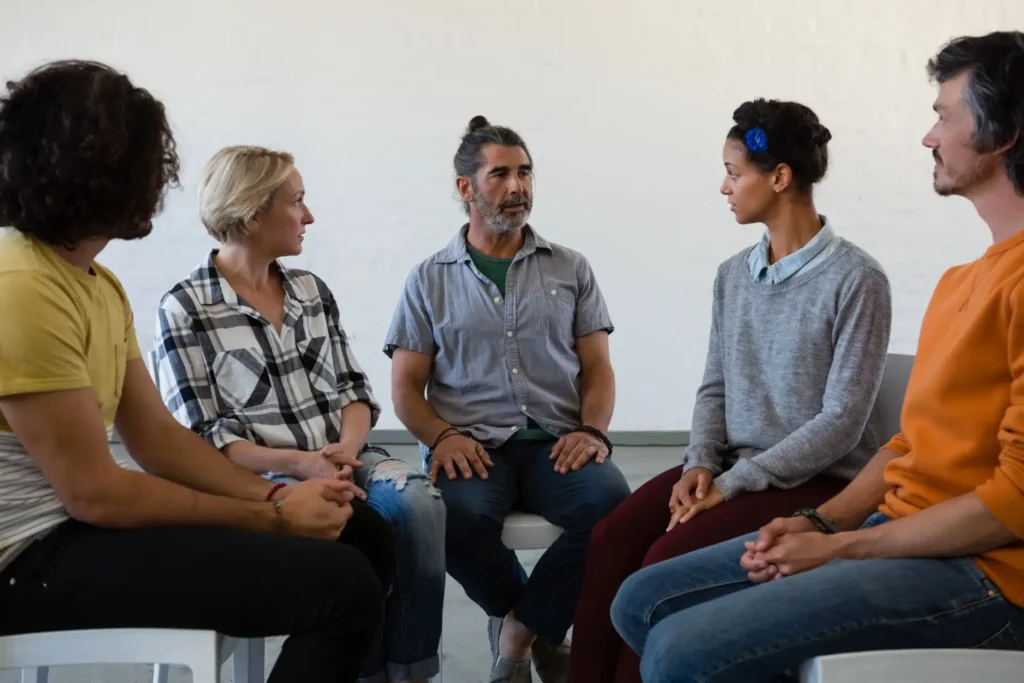
Effective addiction treatment centers use evidence-based therapies proven effective through scientific research. These treatment approaches form the foundation of quality care and significantly improve your chances of achieving sustainable recovery.
Cognitive Behavioral Therapy
Cognitive behavioral therapy (CBT) helps patients identify triggers and develop coping strategies for managing cravings and avoiding relapse. CBT teaches you to recognize the thought patterns and situations that lead to drug use and provides practical tools for responding differently. This approach is particularly effective for relapse prevention and is considered a key component of most successful treatment programs.
Dialectical Behavior Therapy
Dialectical behavior therapy (DBT) teaches emotional regulation and distress tolerance skills, especially beneficial for individuals who have experienced trauma or struggle with intense emotions. DBT combines mindfulness techniques with practical skills for managing stress and difficult relationships.
Motivational Interviewing
Motivational interviewing enhances patient motivation to change addictive behaviors by helping you explore your own reasons for wanting to recover. Rather than being confrontational, this approach meets you where you are and helps strengthen your internal motivation for change.
Group Therapy
Group therapy and twelve-step facilitation connect patients with peer support through Alcoholics Anonymous, Narcotics Anonymous, and other mutual aid groups. The power of connecting with others who understand your experience cannot be overstated—many people find their strongest support network through these fellowships.
Family Therapy
Family therapy addresses relationship dynamics and teaches communication skills, recognizing that addiction affects entire family systems. Involving your loved ones in treatment helps rebuild trust, improve communication, and create a stronger support system for your recovery.
Trauma-informed Care
Trauma-informed care treats underlying trauma contributing to substance use, acknowledging that many people with addiction have histories of physical, emotional, or sexual trauma. Addressing these root causes is essential for lasting recovery and preventing relapse.
Choosing the Right Rehab Center

Selecting the right treatment center is one of the most important decisions you’ll make in your recovery journey. Quality matters, and knowing what to look for can help ensure you receive the best possible care.
First, verify accreditation from JCAHO (Joint Commission on Accreditation of Healthcare Organizations), CARF (Commission on Accreditation of Rehabilitation Facilities), or state licensing authorities. Accreditation indicates that the facility meets established standards for safety, quality care, and ethical practices.
Confirm staff credentials including licensed physicians, counselors, and addiction specialists. The treatment team should include professionals trained specifically in addiction medicine and mental health services. Ask about the staff-to-patient ratio and whether medical professionals are available 24/7 in residential programs.
Review the facility’s treatment philosophy and ensure alignment with evidence-based practices. Avoid programs that make unrealistic promises or rely solely on outdated approaches. Quality programs will be transparent about their methods and should be able to explain how they individualize care for each patient.
Consider location preferences—some people benefit from treatment close to home for family support, while others prefer the privacy and fresh start that comes with treatment in a different city. Recreate Behavioral Health of Ohio offers a welcoming environment where you can focus on recovery while still maintaining connections with your support network.
Evaluate the range of services offered beyond basic counseling. Comprehensive programs should address mental health conditions, provide medical care, offer family involvement opportunities, and include aftercare services to support your transition back to daily life.
Check patient reviews and success rate data when available, though remember that recovery is highly individual and success looks different for everyone. Look for facilities that measure outcomes and are willing to discuss their approach to tracking patient progress.
Insurance Coverage and Payment Options
One of the biggest concerns people have about seeking treatment is cost, but the good news is that addiction treatment is more accessible than ever thanks to expanded insurance coverage and mental health parity laws.
The Affordable Care Act requires insurance plans to cover substance abuse treatment as essential health benefits, meaning most private insurance, Medicaid, and Medicare must provide coverage for addiction treatment. Mental health services administration requires that insurance providers cover behavioral health services, including substance abuse treatment, at the same level as medical services.
Medicare Part B covers outpatient addiction treatment and Part A covers inpatient care for eligible individuals. If you’re enrolled in Medicare, your coverage includes counseling sessions, group therapy, and medically necessary inpatient treatment.
Medicaid provides comprehensive addiction treatment coverage in all 50 states, often with minimal out-of-pocket costs. Many people don’t realize they may qualify for Medicaid coverage, especially in states that have expanded their programs.
Before choosing a treatment center, contact your insurance provider to understand your specific benefits. Ask about:
- Coverage for different levels of care (inpatient vs. outpatient)
- Whether the facility is in network with your plan
- Your deductible and co-payment responsibilities
- Pre-authorization requirements
- Coverage limits for length of stay
Many facilities, including Recreate Behavioral Health of Ohio, offer sliding scale fees based on income and payment plans to make treatment affordable. Don’t let financial concerns prevent you from seeking help—most programs have financial counselors who can help you understand your options.
Employee assistance programs (EAPs) often provide referrals and may cover initial assessments or short-term counseling. Veterans can access comprehensive treatment through the VA healthcare system, which offers specialized programs for veterans struggling with addiction.
Specialized Treatment Programs

Addiction affects people from all walks of life, and quality treatment centers recognize that different populations have unique needs and challenges. Specialized programs create environments where you can address issues specific to your situation while building connections with others who share similar experiences.
Women-only programs address trauma, parenting concerns, and gender-specific issues that may contribute to substance use. Many women in recovery have histories of domestic violence, sexual trauma, or other experiences that are more comfortably addressed in women-only settings. These programs often include parenting classes and support for pregnant women seeking recovery.
Adolescent treatment centers provide age-appropriate care for teenagers with substance use disorders, recognizing that young people face different challenges and respond differently to treatment than adults. These programs typically involve family therapy and educational support to help teens continue their schooling while in treatment.
Dual diagnosis programs treat co-occurring mental health conditions like depression, anxiety, PTSD, and eating disorders alongside addiction. Since mental health conditions and substance abuse often occur together, integrated treatment addressing both issues simultaneously produces better outcomes than treating them separately.
LGBTQ+ affirming programs create safe, inclusive treatment environments where individuals can address unique stressors related to sexual orientation and gender identity. These programs train staff in cultural competency and create policies that protect against discrimination.
Faith-based rehabs incorporate spiritual elements and religious counseling for individuals who find strength and meaning in their spiritual beliefs. These programs respect diverse religious backgrounds while using faith as a component of recovery.
Executive programs cater to professionals needing confidential, flexible treatment that accommodates work responsibilities. These programs often offer amenities and scheduling options designed for business professionals, healthcare workers, and others in demanding careers.
The Treatment Process

Understanding what to expect during treatment can help reduce anxiety and prepare you for the recovery journey ahead. While each person’s experience is unique, most quality programs follow a similar process designed to provide comprehensive, individualized care.
Treatment begins with a comprehensive assessment covering medical history, substance use patterns, mental health status, family history, and social factors. This thorough evaluation helps the treatment team understand your specific needs and develop an individualized treatment plan tailored to your situation.
The assessment may include biological testing to determine what substances are in your system, medical examinations to identify any health issues requiring attention, and psychological evaluations to screen for mental health conditions. This information helps determine the appropriate level of care and guides treatment planning.
If detoxification is needed, medical stabilization occurs first to safely manage withdrawal symptoms. The medical team can prescribe medications to ease discomfort and monitor your vital signs to ensure safety during this process.
Once medically stable, the active treatment phase includes individual counseling sessions, group therapy, educational workshops, and various therapeutic activities. Your days will be structured but may include recreation therapy, art or music therapy, fitness programs, and other wellness activities that support healing.
Family involvement is encouraged through therapy sessions, educational programs, and visiting opportunities when appropriate. Helping your loved ones understand addiction and learn how to support your recovery strengthens your overall support system.
Discharge planning begins early in treatment to prepare for your transition to lower levels of care or return to daily life. This planning includes connecting you with community resources, arranging for continued counseling or therapy, and developing a relapse prevention plan.
Aftercare services provide ongoing support through continued counseling, support group participation, and regular check-ins with your treatment team. This comprehensive continuum of care recognizes that recovery is an ongoing process requiring sustained support.
What to Expect During Treatment
Your daily experience in treatment will vary depending on the type of program, but most quality facilities provide a structured environment designed to support healing and skill development.
Days typically begin with an initial medical evaluation and laboratory testing to assess your current health status. Throughout treatment, you’ll have individual counseling sessions 1-3 times weekly with assigned therapists who specialize in addiction treatment and any co-occurring mental health conditions.
Group therapy sessions address various recovery topics and provide peer support, often becoming a highlight of many people’s treatment experience. These groups might focus on specific topics like relapse prevention, coping skills, trauma recovery, or general process groups where participants share their experiences and support each other.
Educational workshops teach important information about addiction as a disease, how substances affect the brain and body, recognizing triggers and warning signs, and developing healthy coping strategies. These program activities help you understand your addiction and learn practical tools for maintaining sobriety.
Many programs include holistic approaches like recreation therapy, exercise programs, art or music therapy, meditation or mindfulness training, and nutritional counseling. These activities support overall wellness and help you discover healthy ways to manage stress and emotions.
If you’re in residential treatment, family involvement occurs through scheduled therapy sessions, educational programs for loved ones, and designated visiting times. Outpatient programs often include family therapy sessions and may offer separate support groups for family members.
Throughout treatment, you’ll work with your team to develop a personalized relapse prevention plan that identifies your specific triggers, warning signs, and coping strategies. This plan becomes your roadmap for maintaining sobriety after completing formal treatment.
Finding Local Treatment Resources
When you’re ready to take the next step, several resources can help you find appropriate treatment options and get connected with the help you need.
The SAMHSA National Helpline (1-800-662-4357) provides 24/7 confidential guidance and referral for local services. This free service can provide information about treatment facilities, support groups, and other community resources in your area. The helpline is staffed by trained counselors who can help you understand your options and provide immediate assistance when you’re ready to seek help.
Your primary care physician can provide referrals to appropriate treatment facilities and may be able to help with insurance pre-authorization requirements. Many people find it helpful to start by talking with their doctor, who can assess your overall health and recommend the most appropriate level of care.
Community health centers often offer addiction services and referral assistance, particularly for individuals without insurance or with limited financial resources. These centers understand local resources and can help connect you with appropriate services.
Hospital systems frequently operate or can refer to addiction treatment programs. If you’re experiencing a medical emergency related to substance use, hospital emergency departments can provide immediate care and connect you with treatment resources.
Online directories like Psychology Today list local addiction specialists and treatment facilities, allowing you to search by location, insurance accepted, and specialties. However, always verify credentials and licensing before making decisions based on online information.
At Recreate Behavioral Health of Ohio, our admissions team is available to answer questions, verify insurance benefits, and help you understand your treatment options. We believe that seeking help should be as straightforward as possible, which is why we’ve streamlined our admission process and work with most major insurance plans.
FAQ
Taking the Next Step Toward Recovery
Recovery is not just possible—it’s happening every day for people from all backgrounds who make the courageous decision to seek help. The journey may feel daunting right now, but remember that thousands of people successfully overcome addiction each year with the right support and treatment.
At Recreate Behavioral Health of Ohio, we understand that taking this step requires enormous courage. Our compassionate team is here to guide you through every stage of the process, from initial assessment through aftercare planning. We provide evidence-based treatment in a supportive environment where you can focus on healing and building the skills needed for lasting recovery.
Don’t wait for the “perfect” moment to seek help—that moment is now. Addiction doesn’t get better on its own, but with proper treatment, you can reclaim your life and build the future you deserve. Whether you’re struggling with opioids, alcohol, cocaine, prescription medications, or any other substance, help is available and recovery is within reach.