




You’ve had a couple of drinks, and now your head is pounding. The Tylenol bottle is sitting right there in the cabinet. Is it actually safe to take, or are you about to make a bad night worse? It’s one of the most common questions our clinical team hears, and it deserves a real answer instead of a vague warning label.
Taking Tylenol (acetaminophen) with alcohol raises the risk of liver damage because both substances are processed by the liver and compete for the same metabolic pathway. An occasional standard dose with a single drink is unlikely to cause harm in someone with a healthy liver, but regular drinking combined with acetaminophen, especially at higher doses, significantly increases the danger.
Recreate Behavioral Health of Ohio treats alcohol use disorder and the medical complications that come with it every day, including the liver stress that heavy or repeated drinking causes over time. We’re a Joint Commission accredited facility licensed by the Ohio Department of Mental Health and Addiction Services, and our medical detox program includes 24/7 monitoring for exactly this kind of physiological damage. Our clinicians see, firsthand, what years of alcohol use combined with over-the-counter pain relievers can do to a person’s liver function, which is why we take questions like this one seriously instead of brushing them off. Recreate Ohio operates from a campus in Gahanna, a peaceful suburb of Columbus, offering medically supervised alcohol detox and residential treatment for adults across Ohio and the Midwest.
How Tylenol and Alcohol Interact in Your Body

Your liver is the organ responsible for breaking down both alcohol and acetaminophen, and that’s exactly where the trouble starts. When you drink, your liver prioritizes metabolizing the alcohol first. Acetaminophen gets processed through a pathway that, in the presence of alcohol, produces more of a toxic byproduct called NAPQI. Normally your liver neutralizes NAPQI without issue. But when alcohol is also in your system, especially with chronic or heavy drinking, your liver’s natural defenses against that toxic byproduct get depleted.
The mechanism means the following practically.
- Occasional, moderate use: A single serving of alcohol with a standard dose of Tylenol (up to 1,000 mg) generally poses low risk for someone without existing liver disease.
- Regular or heavy drinking: Chronic alcohol use lowers your liver’s glutathione reserves, the very thing that protects you from acetaminophen toxicity. This is where real danger begins.
- High doses of acetaminophen: Exceeding the maximum daily dose (4,000 mg for adults, often less if you drink regularly) dramatically raises your risk regardless of alcohol.
- Combined chronic use: Long-term drinkers who regularly take Tylenol for hangovers or chronic pain face compounding liver stress that can lead to serious, sometimes irreversible damage.
Doctors ask about your drinking habits before recommending a pain reliever for exactly this reason.
Which Pain Reliever Can I Take With Alcohol?
No over-the-counter pain reliever is completely risk-free when mixed with alcohol, but the type of risk differs by drug class. Acetaminophen (Tylenol) primarily stresses the liver. NSAIDs like ibuprofen and naproxen primarily stress the stomach lining and kidneys, raising the risk of gastrointestinal bleeding when combined with alcohol.
| Pain Reliever | Primary Organ at Risk | Interaction With Alcohol |
|---|---|---|
| Acetaminophen (Tylenol) | Liver | Increases risk of liver toxicity, especially with chronic drinking |
| Ibuprofen (Advil, Motrin) | Stomach, kidneys | Raises risk of GI bleeding and ulcers |
| Naproxen (Aleve) | Stomach, kidneys | Similar bleeding risk to ibuprofen, longer-acting |
| Aspirin | Stomach | Increases bleeding risk, thins blood further with alcohol |
Both categories carry risk when combined with drinking. If you’re taking pain relievers regularly and also drinking regularly, that combination itself is worth a conversation with a medical provider, not just a pharmacist.
What Is Harder on Your Liver, Alcohol or Tylenol?
Alcohol, especially with regular or heavy use, causes more cumulative liver damage over time than occasional, properly dosed Tylenol. Tylenol becomes far more dangerous to the liver specifically because of alcohol’s presence. The real issue is how the two together push your liver past what it can safely process.
Chronic heavy drinking on its own can cause fatty liver, alcoholic hepatitis, and eventually cirrhosis. Acetaminophen overdose, on its own, is actually one of the leading causes of acute liver failure in the United States. Combine sustained alcohol use with even moderate, regular acetaminophen intake, and you’ve created a scenario where your liver’s protective reserves are chronically low. That’s when a “normal” dose of Tylenol stops behaving normally.
Timing: How Long After Drinking Can You Take Tylenol?
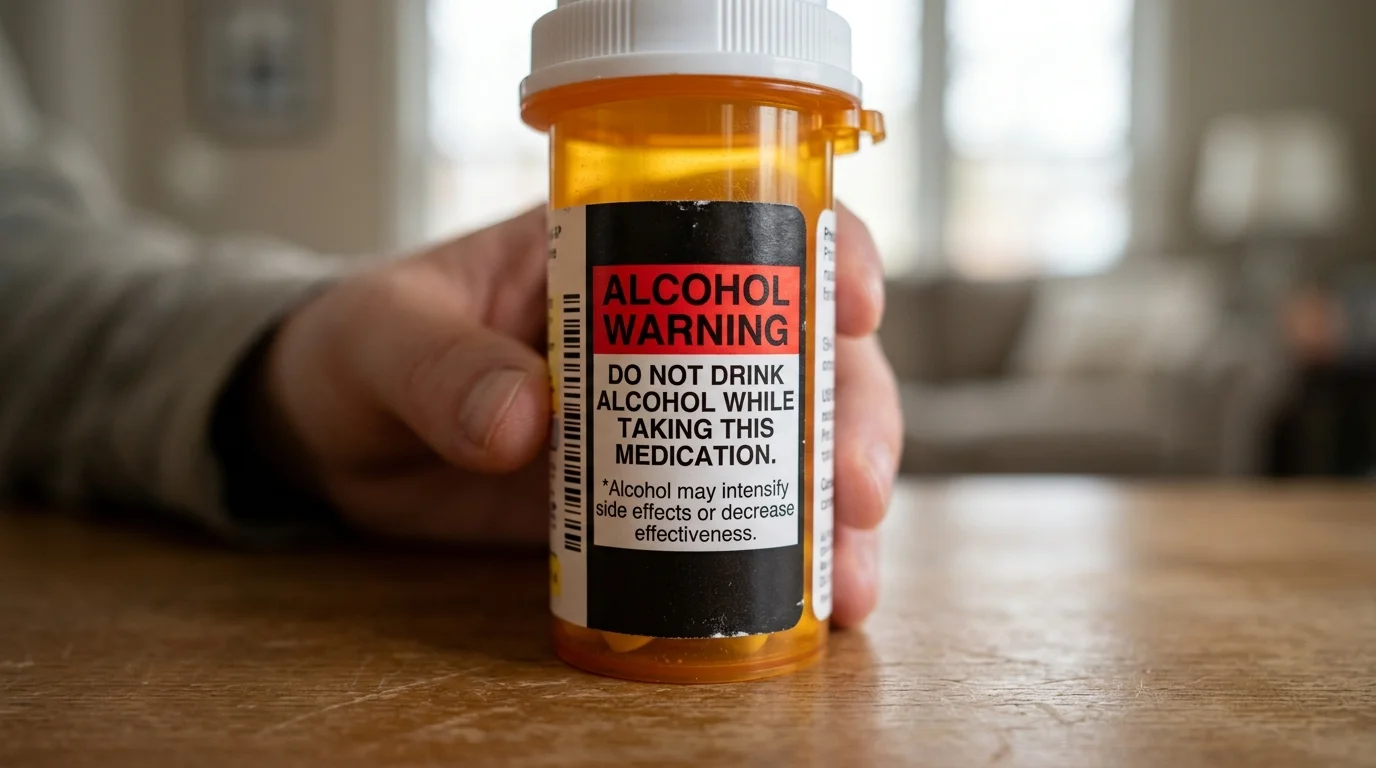
This is probably the question you actually came here to ask. There’s no single universally agreed-upon number of hours, but the clinical guidance is consistent: the less overlap between alcohol still active in your system and acetaminophen, the better.
- Wait until alcohol has mostly cleared your system. Your liver processes roughly one standard drink per hour, so if you’ve had several drinks, several hours should pass before introducing acetaminophen.
- Don’t take Tylenol while actively drinking or immediately after. Taking it during or right after drinking means both substances are competing for your liver’s attention at the same time.
- Consider your drinking pattern, not just the clock. Someone who drinks occasionally faces a different risk profile than someone who drinks daily. If you drink regularly, even waiting several hours doesn’t fully protect you.
- Stick to the lowest effective dose. If you do need Tylenol after drinking, avoid maximizing the dose. Less is genuinely safer here.
- Choose a different pain reliever if you’re a regular drinker. Talk to a physician about alternatives if alcohol is part of your regular routine.
A commonly cited guideline is to allow several hours (some sources suggest waiting until alcohol is fully metabolized, often stated as somewhere in the range of a full night’s sleep) before taking a standard dose. If you drink heavily or daily, that guidance changes, and acetaminophen should generally be avoided or used only under a doctor’s direction.
What Happens If You Drink Alcohol With Tylenol?
For most healthy adults having a drink and taking a standard, single dose of Tylenol, the immediate risk is low. The real danger builds with repetition: regular drinking combined with regular or high-dose acetaminophen use over days, weeks, or months. Symptoms of acetaminophen-related liver stress can include nausea, abdominal pain, fatigue, and in serious cases, jaundice. These symptoms don’t always show up right away, which is part of what makes this combination so dangerous. Damage can be accumulating quietly before you feel anything at all.
If you or someone you know has taken a large amount of Tylenol combined with heavy drinking and is showing signs of confusion, severe abdominal pain, or yellowing skin or eyes, that’s a medical emergency. Call 911 or go to an emergency room immediately. Don’t wait to see if it passes.
When the Real Question Isn’t About Tylenol at All
Sometimes a question about mixing a pain reliever with a drink is really a question about something bigger. If you’re asking how many beers a night crosses into a problem, or you’ve noticed you’re reaching for both alcohol and Tylenol more than you used to, that pattern deserves honest attention.
Client Spotlight
A client we’ll call Renee came to Recreate Ohio after a routine doctor’s visit flagged elevated liver enzymes. She had just two glasses of wine most nights, plus Tylenol for the headaches that came with getting older, without thinking of herself as “a drinker.” Her physician connected the dots and referred her for an evaluation. During detox, our medical team walked her through exactly what years of that combination had done to her liver, and what recovery could look like from here. She’s since completed residential treatment and stays connected through a community-based outpatient program near her home in Central Ohio.
Two drinks a night doesn’t automatically mean alcoholism, but frequency and inability to cut back are worth examining honestly. Alcohol use disorder is defined by the relationship you have with drinking, whether you can take it or leave it, whether it’s affecting your health, your relationships, your responsibilities. If you’re questioning your own pattern enough to search for this, that’s worth paying attention to.
Supporting Your Liver During and After Drinking
Your liver has some capacity to repair itself, and giving it a break matters more than people often realize. There’s no universally agreed “magic number” of alcohol-free days that fully resets liver function, since it depends on how much damage has already occurred, but consistent alcohol-free periods do give the liver room to reduce inflammation and rebuild healthy tissue.
- Stay hydrated. Water supports every metabolic process, including liver function.
- Space out drinking days. Regular alcohol-free stretches reduce cumulative stress on the liver.
- Avoid stacking substances. Combining alcohol with acetaminophen, other medications, or additional substances multiplies the burden on your liver.
- Get bloodwork if you’re concerned. Liver enzyme tests can catch damage early, often before symptoms appear.
You might also be wondering about odd physical reactions while drinking, like sweating more than usual. That’s your body working to metabolize alcohol and regulate temperature, both processes your liver and cardiovascular system are managing simultaneously. It’s a small reminder that alcohol taxes more of your body than most people give it credit for.
When Occasional Becomes a Pattern
There’s a real difference between someone who takes Tylenol after drinking once every few months and someone who’s doing it as a routine hangover remedy multiple times a week. If that second description sounds like you, it might be time to look at the drinking itself in addition to the pain reliever you’re pairing with it.
Recreate Behavioral Health of Ohio provides medically supervised alcohol detox for exactly this reason. Withdrawal from regular, heavy drinking can be medically serious, and stopping abruptly without supervision carries its own risks. Our detox program includes personalized plans and medication-assisted treatment when appropriate, so your body can stabilize safely before the deeper work of residential treatment begins. From there, treatment plans are built around you, your history with alcohol, any co-occurring mental health conditions, and what your life actually looks like outside of treatment.
How Recreate Behavioral Health of Ohio Approaches Alcohol Recovery

We treat alcohol use disorder as a varied condition that looks different in each person. Some clients arrive after a health scare like Renee’s. Others arrive because a family member finally said something out loud. Our clinicians build individualized treatment plans around evidence-based therapies, including CBT and Motivational Interviewing, because recovery requires understanding the “why” behind the drinking as well as stopping the behavior.
Recreate Ohio is part of the Recreate Behavioral Health Network, with facilities across the eastern United States, which means our clinical protocols reflect standards developed across multiple states, drawing on shared clinical experience rather than one program’s local experience alone. Locally, our campus on Olde Ridenour Road in Gahanna sits near the trails along Big Walnut Creek, a genuinely quiet setting for people who need distance from daily triggers while their bodies and minds heal.
We’re in-network with Cigna, Medical Mutual, Blue Cross Blue Shield, Tricare, and most major insurance carriers, and we handle the verification process directly so you’re not stuck untangling paperwork while trying to get well. Once residential treatment concludes, we coordinate with trusted community partners for step-down care through IOP and outpatient programs, so support continues well beyond the day you leave campus.
Supporting Articles
- Alcohol Detox (Explains what medically supervised alcohol detox looks like day to day, including how withdrawal is managed safely.)
- How Long Does it Take Alcohol to Leave Your System? (A practical breakdown of alcohol metabolism timelines relevant to anyone timing medication around drinking.)
- What to Know About Treating Alcohol Withdrawal Symptoms: A Medical Perspective (Covers the medical risks of stopping heavy drinking without supervision.)
- Alcoholism Treatment Center: Your Path to Recovery and Long-Term Sobriety (Details levels of care available for alcohol use disorder, from detox through residential treatment.)
- Alcohol Rehab Centers in Ohio (An overview of what alcohol treatment options look like across the state.)
Frequently Asked Questions
An occasional standard dose of Tylenol with light drinking is generally low-risk for someone with a healthy liver. Regular drinking combined with regular or high-dose acetaminophen use significantly raises the risk of liver damage over time.
Most guidance suggests waiting until alcohol has largely cleared your system, generally several hours, before taking acetaminophen. If you drink heavily or daily, acetaminophen should be avoided or discussed with a physician first.
Taking Tylenol after heavy drinking is riskier than after light drinking because your liver’s protective reserves are already depleted. Lower doses, longer waiting periods, and avoiding repeated use are all safer approaches.
Chronic heavy alcohol use causes ongoing liver damage on its own, while acetaminophen overdose is a leading cause of acute liver failure. Combined, sustained alcohol use makes even normal acetaminophen doses more dangerous.
Two drinks a night isn’t automatically alcoholism, but consistent daily drinking combined with an inability to cut back or health effects like elevated liver enzymes is worth evaluating. The pattern matters more than the exact number.
Combining heavy alcohol use with high doses of acetaminophen can cause serious liver toxicity, including symptoms like nausea, abdominal pain, and jaundice. This combination can become a medical emergency requiring immediate care.
There’s no single agreed-upon number, since it depends on existing liver damage, but consistent alcohol-free stretches give the liver time to reduce inflammation and begin repairing tissue. Ongoing abstinence supports the most meaningful recovery.