
Breaking free from addiction is one of the most courageous decisions you’ll ever make. Whether you’re reading this for yourself or someone you love, understanding the timeline for addiction recovery can provide hope, realistic expectations, and the motivation needed to take that first step toward healing. At Recreate Behavioral Health of Ohio in Gahanna, we’ve walked alongside hundreds of individuals and families through this journey, and we want you to know that recovery is not only possible—it’s within your reach.
Understanding the Reality of Addiction Recovery
The question “how long does it take to break an addiction” doesn’t have a simple answer because every person’s journey is unique. However, what we can tell you is that addiction recovery is a process, not a single event. It’s like healing from a physical injury—it takes time, patience, and the right care to fully recover.
Addiction fundamentally changes how your brain functions, creating new pathways and altering your body’s chemistry. This means to break addiction requires more than just willpower—it requires professional and formal treatment that is evidence-based. For a substance free life it will take time for your brain and body to heal. At Recreate Behavioral Health of Ohio, we understand the chronic nature and individual factors of these complexities and tailor our approach and your rehab program to meet you exactly where you are in your recovery journey.
Behind Addiction Recovery Timelines
Research shows that addiction recovery happens in stages, and each stage has its own timeline. Your brain’s reward system, which has been hijacked by substances, needs time to readjust and create new, healthy pathways. The good news is that the brain is remarkably adaptable, and with proper treatment, it can heal.
Studies indicate that significant changes in brain chemistry begin within days of stopping alcohol and drug use, but full recovery of brain function can take months or even years. This isn’t meant to discourage you—it’s meant to help you understand. The specific substance involved plays a part in how you overcome addiction, however, what matters is your recovery is a process that requires patience with yourself along with professional support and emotional support every step of the way.
Factors That Influence Your Recovery Timeline
Several factors affect how long it takes to break an addiction, and understanding these can help you set realistic expectations for your journey. The type of substance you’ve been using plays a significant role—alcohol, opioids, prescription drugs, and illicit drugs all have different withdrawal symptoms, timelines and recovery patterns.
The duration and intensity of your drug and alcohol addiction also matter. Someone who has been struggling with addiction for years may need more time than someone who caught their addiction in its earlier stages. However, this doesn’t mean recovery is impossible—it simply means your recovery period might look different from someone else’s.
Your physical health, mental health status, age, and support system all influence your recovery timeline. Co-occurring mental health disorders, which affect about half of people with substance use disorders, can extend the recovery process but also make integrated treatment essential for long-term success.
The First 24-72 Hours: Immediate Detox Phase
The first phase of breaking an addiction begins with detoxification, and this is often the most challenging time physically. At Recreate Behavioral Health of Ohio, we provide medically supervised detox to ensure your safety and comfort during this crucial period. Withdrawal symptoms typically begin within 6-24 hours of your last use and can last anywhere from a few days to several weeks.
During this phase, we can address any physical health problems as your body is working to eliminate the substances and readjust to functioning without them. You might experience physical symptoms like nausea, sweating, tremors, or headaches, along with emotional symptoms like anxiety, irritability, or depression. This is completely normal, and our medical team is here to help you through every moment.
The intensity and duration of withdrawal depend on several factors, including the substance involved, how long you’ve been using, and your individual physiology. Some people experience mild withdrawal symptoms that resolve within days, while others may need more time and medical support. What’s important to remember is that this phase is temporary, and each day brings you closer to healing.
Days 3-14: Early Recovery and Stabilization
As you move through the first two weeks, your body continues to heal and adjust. This recovery period is often marked by fluctuating energy levels, sleep disturbances, and emotional ups and downs. At Recreate Behavioral Health of Ohio, we provide round-the-clock support during this time because we understand how vulnerable you might feel.
Your brain is beginning to readjust its chemistry, but this process takes time. You might experience what’s called “post-acute withdrawal syndrome,” which can include mood swings, anxiety, difficulty concentrating, and sleep problems. These symptoms are part of the healing process, not a sign that treatment isn’t working.
During this phase, we begin to introduce therapeutic interventions that help you understand the underlying causes of your addiction. Individual counseling, group therapy, and educational sessions become part of your daily routine, helping you build healthy coping mechanisms to lay the foundation to overcome addiction.
Weeks 2-4: Building New Patterns

The second to fourth weeks of recovery are important for establishing new routines and coping mechanisms. By this time, the most severe withdrawal symptoms have typically subsided, and you can begin to focus more clearly on the psychological aspects of recovery. This is when the real work of changing thought patterns and behaviors begins.
At Recreate Behavioral Health of Ohio, we use evidence-based therapies like Cognitive Behavioral Therapy (CBT) and Motivational Interviewing during this phase. These approaches help you identify triggers, develop healthy coping strategies, and build the skills you’ll need to maintain sobriety long-term.
Your brain is still healing during this time, and you might notice improvements in your mood, energy, and ability to think clearly. However, cravings can still be intense, and this is why having professional support is so important. We help you understand that cravings are normal and temporary, and we give you tools to manage them effectively.
Month 1-3: Intensive Healing and Skill Building
The first three months of recovery are often considered the most critical period for long-term success. During this time, your brain continues to heal, and you develop the coping skills that will serve you throughout your recovery. At Recreate Ohio, we typically recommend residential treatment during this phase to provide the intensive support you need.
Your neurotransmitter levels are gradually returning to normal, which means your mood, sleep, and energy levels continue to improve. However, this process isn’t linear—you might have good days and challenging days, and that’s completely normal. Our team helps you navigate these ups and downs with compassion and professional expertise.
This is also when we address any co-occurring mental health conditions that might be contributing to your addiction. Integrated treatment for both addiction and mental health issues is essential for lasting recovery, and our dual diagnosis program provides comprehensive care for both conditions simultaneously.
Month 3-6: Deepening Recovery and Transition Planning
As you approach the three to six-month mark, significant changes become more apparent. Your brain function continues to improve, and you begin to experience more consistent periods of emotional stability. This is often when people start to feel like themselves again—perhaps for the first time in years.
During this phase, we focus on deepening your recovery skills and beginning to plan for your transition to less intensive care. You might move from residential treatment to an Intensive Outpatient Program (IOP), which allows you to maintain your progress while gradually returning to daily life responsibilities.
Your relationships with family and friends may begin to heal during this time, and we often incorporate family therapy to help rebuild these important connections. Addiction affects entire families, and healing these relationships is an important part of your recovery journey.
Month 6-12: Strengthening Recovery and Preventing Relapse
The six-month to one-year mark is a significant milestone in recovery. By this time, your brain has made substantial progress in healing, and you’ve developed strong coping skills and support systems. However, it’s important to remember that recovery is an ongoing process, not a destination.
During this phase, we focus heavily on relapse prevention and strengthening your recovery foundation. You learn to identify your personal triggers, develop healthy relationships, and build a lifestyle that supports your sobriety. Our alumni program connects you with others who have walked this path, providing ongoing support and encouragement.
Many people find that their self-esteem and sense of purpose return during this time. You might discover new interests, rebuild your career, or strengthen family relationships. These positive changes reinforce your commitment to recovery and remind you of everything you have to gain by staying sober.
Year 1-2: Maintaining Progress and Building Life Skills
The first two years of recovery are about maintaining your progress while building the life skills you need for long-term success. Your brain continues to heal during this time, and you develop greater emotional resilience and stability. At Recreate Ohio, we support you through aftercare programs to help you navigate this important phase.
This is when many people focus on rebuilding their careers, relationships, and overall life satisfaction. You might pursue education, develop new hobbies, or become involved in your community. These activities provide meaning and purpose, which are essential for maintaining motivation in recovery.
Relapse prevention remains a priority during this time, but the focus shifts from acute crisis management to long-term sobriety and lifestyle maintenance. You learn to handle stress, relationship challenges, and life transitions without turning to substances.
Years 2-5: Long-term Recovery and Personal Growth

The two to five-year mark represents a period of continued growth and stability. Your brain has largely healed from the effects of addiction, and you’ve developed strong coping skills and support systems. Many people find that their quality of life exceeds what it was before their addiction began.
During this phase, you might become involved in helping others who are struggling with addiction. Many of our alumni become mentors or volunteers, finding that helping others strengthens their own recovery. This sense of purpose and contribution can be incredibly fulfilling and motivating.
Your relationships continue to heal and strengthen, and you may find that your family and friends trust you more completely. These rebuilt relationships provide ongoing motivation and support for maintaining your sobriety.
The Role of Professional Treatment in Recovery Timelines
Professional treatment significantly impacts how quickly and successfully you can break free from addiction. At Recreate Behavioral Health of Ohio, we’ve seen countless individuals transform their lives through our comprehensive treatment programs. Without professional support, recovery can take much longer and is often less successful.
Our medically supervised detox program ensures your safety during the most vulnerable phase of recovery. Our residential treatment program provides intensive therapy and support during the critical first months. Intensive Outpatient Programs helps you maintain your progress while gradually returning to daily life.
The evidence-based therapies we use, including Cognitive Behavioral Therapy and Motivational Interviewing, help you develop the skills you need for long-term success. These approaches address the root causes of addiction, not just the symptoms, leading to more lasting recovery.
Understanding Different Substances and Their Recovery Timelines
Different substances have different recovery timelines, and understanding these can help you set realistic expectations for your journey. Alcohol withdrawal typically lasts 3-7 days, but recovery from alcohol addiction can take months or years. The liver needs time to heal, and the brain needs time to readjust to functioning without alcohol.
Opioid withdrawal symptoms often lasts 7-14 days, but recovery from opioid addiction can be particularly challenging due to the way opioids affect the brain’s reward system. Medication-assisted treatment (MAT) can be helpful for opioid addiction, and we provide this option at Recreate Behavioral Health of Ohio when appropriate.
Prescription drug addiction recovery timelines vary depending on the specific medication involved. Benzodiazepines, for example, may require a longer tapering process to prevent dangerous withdrawal symptoms. Our medical team carefully monitors this process to ensure your safety and comfort.
Building a Strong Support Network
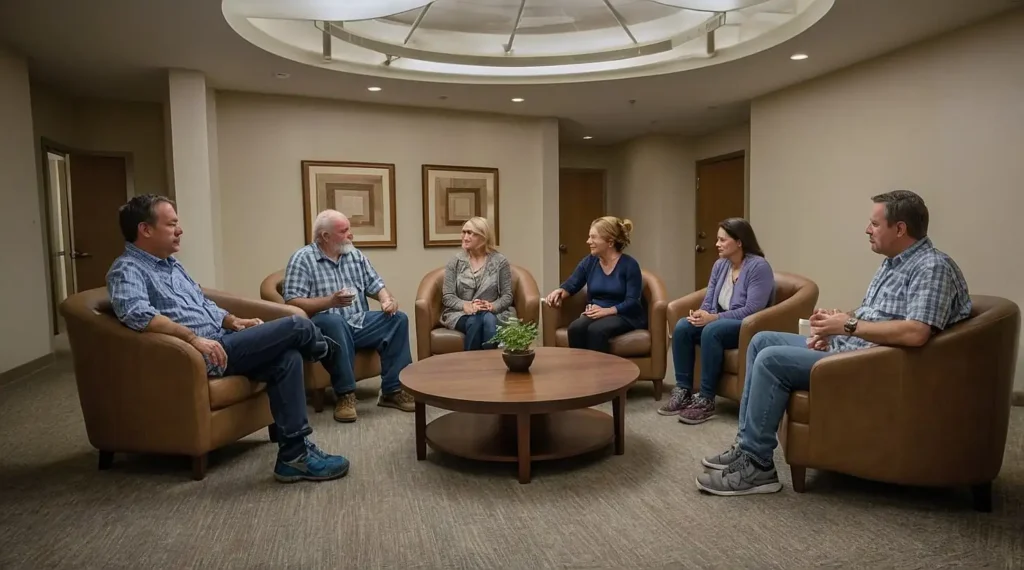
Recovery is not a journey you have to take alone. Building a strong support network is essential for breaking free from addiction and maintaining your sobriety long-term. At Recreate Behavioral Health of Ohio, we help you identify and build relationships with people who support your recovery goals.
Your support network might include family members, friends, peers in recovery, therapists, sponsors, and other professionals. Each person in your network plays a different role in supporting your recovery. Some provide emotional support, others practical assistance, and still others accountability and guidance.
Support groups like Alcoholics Anonymous and Narcotics Anonymous can be valuable parts of your support network. These groups provide peer support, accountability, and a sense of community with others who understand what you’re going through. Many people find that helping others in recovery strengthens their own commitment to sobriety.
Understanding Relapse as Part of Recovery
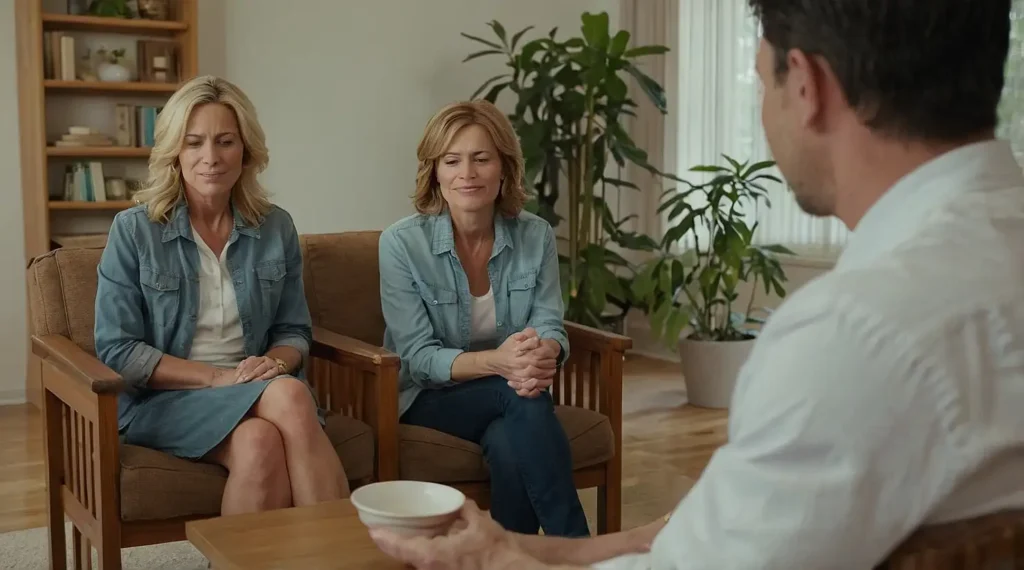
While our goal is always to help you maintain continuous sobriety, it’s important to understand that relapse can be part of the recovery process for some people. If relapse occurs, it doesn’t mean that treatment has failed or that you’re a failure—it means that your treatment plan needs to be adjusted.
Relapse rates for addiction are similar to those for other chronic diseases like diabetes or hypertension. This perspective helps reduce shame and encourages people to seek help quickly if they experience a setback. At Recreate Behavioral Health of Ohio, we’re here to support you whether this is your first time seeking treatment or you’re returning after a relapse.
If relapse occurs, the most important thing is to get back into treatment as quickly as possible. The longer you wait, the harder it becomes to regain your sobriety. We provide crisis intervention services and can help you get back on track with your recovery.
The Financial Aspects of Recovery
One of the barriers that prevents people from seeking addiction treatment is concern about cost. At Recreate Behavioral Health of Ohio, we accept most major insurance plans and work with you to understand your coverage and options. We believe that financial concerns should never prevent someone from getting the help they need.
The cost of addiction treatment is often far less than the cost of addiction itself. When you consider the financial impact of addiction—lost wages, medical bills, legal fees, and other expenses—investment in treatment makes financial sense. More importantly, the personal and family costs of untreated addiction are immeasurable.
We offer various payment options and work with you to find a solution that fits your financial situation. Our admissions team can help you understand your insurance benefits and explore other funding options if needed.
Hope and Healing Are Possible
If you’re reading this article, you’ve already taken an important step toward recovery. Whether you’re seeking help for yourself or someone you love, know that hope and healing are possible. At Recreate Behavioral Health of Ohio, we’ve seen countless individuals transform their lives through recovery, and we believe in your ability to do the same.
Recovery is one of the most challenging but rewarding journeys you’ll ever take. It requires courage, commitment, and support, but the rewards—your health, your relationships, your sense of purpose, and your future—are worth every effort. You deserve a life free from addiction, and we’re here to help you achieve it.
Breaking free from addiction is not just about stopping substance use—it’s about rediscovering who you are, rebuilding your life, and creating a future full of possibilities. Every day you choose recovery is a victory worth celebrating.
Taking the First Step

The first step toward recovery is often the hardest, but it’s also the most important. If you’re ready to break free from addiction, Recreate Behavioral Health of Ohio is here to support you every step of the way. Our comprehensive programs, experienced staff, and compassionate approach provide the foundation you need for successful recovery.
You don’t have to wait until tomorrow or next week to start your recovery journey. Help is available right now, and we’re here to answer your questions, address your concerns, and help you take that first courageous step toward healing.
Remember, asking for help is not a sign of weakness—it’s a sign of strength. It takes courage to admit you need support and even more courage to reach out for it. We’re honored that you’re considering Recreate Behavioral Health of Ohio for your recovery journey.
Summary
Breaking free from addiction is a journey that unfolds over time, with each phase bringing new challenges and opportunities for growth. While the timeline varies for each individual, understanding the general phases of recovery can help you set realistic expectations and stay motivated throughout the process.
The initial detox phase typically lasts days to weeks, followed by early recovery and stabilization over the first few months. The first year focuses on building skills and preventing relapse, while years two through five emphasize maintaining progress and personal growth. Long-term recovery is an ongoing process that requires continued attention and support.
At Recreate Behavioral Health of Ohio, we understand that recovery is not a destination but a journey. Our comprehensive programs, individualized treatment plans, and ongoing support services provide the foundation you need for successful, lasting recovery. We treat the whole person, not just the addiction, addressing co-occurring mental health disorders and helping you build a lifestyle that supports your sobriety.
If you or someone you love is struggling with addiction, don’t wait another day to seek help. Call Recreate Behavioral Health of Ohio today at our 24/7 confidential helpline. Our compassionate team is ready to answer your questions, discuss your options, and help you take the first step toward the life you deserve. Recovery is possible, and it starts with a single phone call.
Frequently Asked Questions
Sources
- National Institute on Drug Abuse. “Principles of Drug Addiction Treatment: A Research-Based Guide.” 2018.
- American Psychiatric Association. “What is Addiction?” 2021.
- Substance Abuse and Mental Health Services Administration. “Treatment Episode Data Set (TEDS): 2017.” 2019.
- National Institute on Mental Health. “Substance Use and Co-occurring Mental Disorders.” 2021.
- American Society of Addiction Medicine. “Definition of Addiction.” 2019.