Effective Opioid Addiction Treatment Near Columbus, Ohio

Searching for effective opioid addiction treatment near Columbus? This page explains how to treat opioid use disorder. Opioid misuse can lead to an opioid use disorder, and withdrawal symptoms make it challenging to quit without help. It’s recommended not to go cold turkey. Understanding the levels of care and services offered at Recreate Behavioral Health of Ohio is helpful. Detox and residential inpatient care are available for opioid and all substance use disorders.
Key Takeaways
- Opioid use disorder (OUD) is a chronic disease causing physical dependence and significant harm to individuals, families, and communities. The rising numbers of opioid overdose fatalities highlight the need for effective treatment.
- Early recognition of OUD symptoms, such as cravings and withdrawal, is crucial for intervention.
- Comprehensive approaches, including detox programs, Medication-Assisted Treatment (MAT), and behavioral therapies, are essential for overcoming opioid addiction and achieving long-term recovery.
Opioid use disorder (OUD) is a chronic disease causing physical dependence and significant harm to individuals, families, and communities. The rising numbers of opioid overdose fatalities highlight the need for effective treatment.
Early recognition of OUD symptoms, such as cravings and withdrawal, is crucial for intervention.
Comprehensive approaches, including detox programs, Medication-Assisted Treatment (MAT), and behavioral therapies, are essential for overcoming opioid addiction and achieving long-term recovery.
Understanding Opioids
Opioids, both naturally derived and synthetic, are primarily prescribed for pain relief from chronic or severe pain. Natural opioids like morphine and codeine, along with synthetic options like oxycodone, hydrocodone, fentanyl, and methadone, interact with receptors in the brain to relieve pain. However, prolonged use of prescription opioids can alter the brain’s reward system, leading to addiction and uncontrollable cravings.
Opioid use disorder (OUD) is a serious chronic disease characterized by continued opioid use despite harmful consequences. Individuals develop tolerance over time, requiring more opioids for the same effect, leading to addiction and dependence. The opioid crisis has resulted in an alarming number of fatal overdoses worldwide, with over 120,000 deaths annually attributed to opioid misuse.
The impact of opioid misuse extends beyond health, affecting personal relationships, employment, and overall well-being. Identifying signs of addiction early is crucial for helping individuals find a path to recovery without relying on street drugs or misusing prescription opioids.
Recognizing Symptoms of Opioid Use Disorder
To identify opioid use disorder (OUD), watch for these signs:
- Intense cravings for opioids
- Increased tolerance levels
- Withdrawal symptoms when stopping opioid use
- Physical dependence, leading to compulsive use despite adverse consequences
- Intense cravings for opioids
- Increased tolerance levels
- Withdrawal symptoms when stopping opioid use
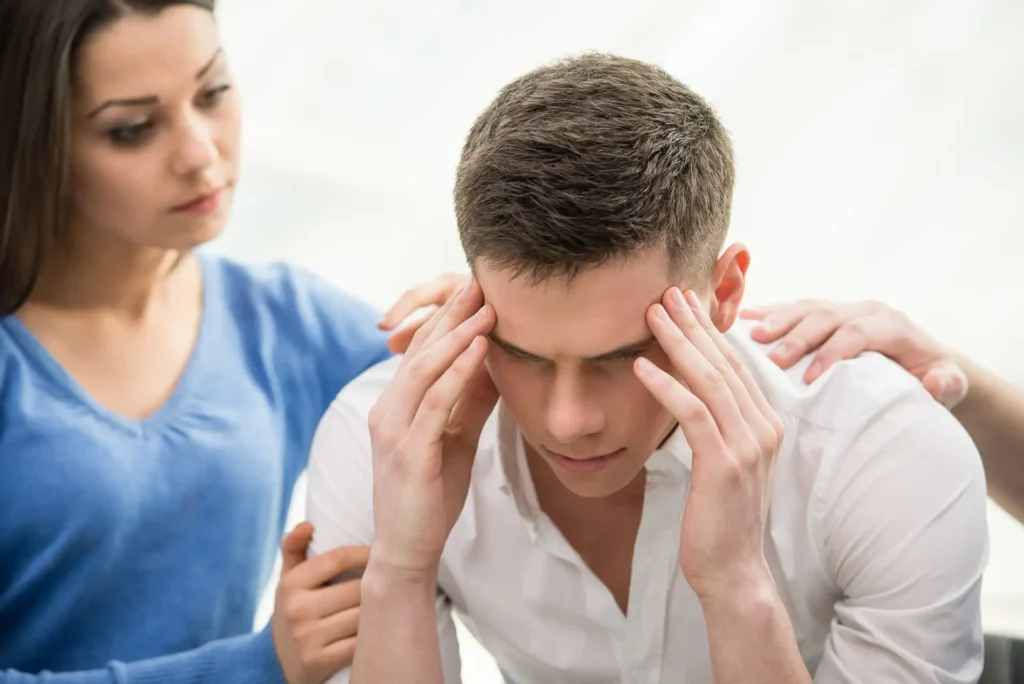
Physical dependence, leading to compulsive use despite adverse consequences Withdrawal symptoms include muscle pain, digestive discomfort, anxiety, and agitation. These symptoms can last from days to weeks, making it difficult to stop without professional help.
Early detection and treatment of these symptoms can prevent further harm and help individuals seeking recovery from opioid dependence. Timely intervention benefits not only the individual but also their families and communities.
Treating Opioid Addiction
Effectively treating opioid addiction requires a comprehensive approach that addresses both the physical and psychological aspects of addiction. Treatment involves:
- Detoxification to manage withdrawal symptoms
- Medication-assisted treatment (MAT) to reduce cravings and prevent relapse
- Behavioral therapy to address the behaviors associated with drug use
- Detoxification to manage withdrawal symptoms
- Medication-assisted treatment (MAT) to reduce cravings and prevent relapse
- Medication-assisted treatment (MAT) to reduce cravings and prevent relapse
Recreate Behavioral Health of Ohio offers these programs and more to help individuals overcome opioid addiction and reclaim their lives.
Comparing Opioid Addiction Treatment Options
Understanding the different approaches to opioid addiction treatment helps individuals and families make informed decisions about care. Here’s how various treatment methods compare:
| Treatment Type | Duration | Setting | Success Rate | Best For |
|---|---|---|---|---|
| Medical Detox | 3-10 days | Inpatient | 85% completion | Managing withdrawal symptoms safely |
| Medication-Assisted Treatment (MAT) | 6+ months | Various | 60-80% | Reducing cravings and preventing relapse |
| Residential Treatment | 30-90 days | Inpatient | 70-85% | Severe addiction with co-occurring disorders |
| Intensive Outpatient | 3-6 months | Outpatient | 50-70% | Maintaining work/family responsibilities |
| Standard Outpatient | 6+ months | Outpatient | 40-60% | Step-down care after residential treatment |
Success rates represent treatment completion and short-term abstinence based on industry studies. Individual outcomes vary based on personal circumstances, motivation, and treatment adherence.
Detoxification Programs

Detoxification is the first step in addressing opioid use disorder, focusing on managing withdrawal symptoms and stabilizing patients for further treatment. At Recreate Ohio, medically supervised detox programs are designed to provide safe and comfortable withdrawal experiences from opioids, alcohol, and other substances. Personalized treatment plans are created to meet each individual’s needs, setting a strong foundation for recovery.
Medication-Assisted Treatment (MAT)
Medication-Assisted Treatment (MAT) combines FDA-approved medications with behavioral therapy to treat opioid use disorder. MAT helps reduce cravings and withdrawal symptoms, allowing individuals to focus on their recovery. Three medications are commonly used in MAT for opioid addiction:
- Methadone: Reduces withdrawal symptoms and cravings but is not used at Recreate Ohio.
- Buprenorphine: Helps manage withdrawal and cravings without causing a high.
- Naltrexone: Blocks the euphoric effects of opioids and prevents relapse.
- Methadone: Reduces withdrawal symptoms and cravings but is not used at Recreate Ohio.
- Buprenorphine: Helps manage withdrawal and cravings without causing a high.
- Naltrexone: Blocks the euphoric effects of opioids and prevents relapse.
Recreate Ohio’s MAT protocols focus on combining medications with mental health support, including counseling services, to provide a holistic approach to opioid addiction recovery.
Behavioral Therapies
Behavioral therapy is a key component of addiction treatment, helping individuals change the thoughts and behaviors associated with opioid use. Recreate Ohio offers a range of behavioral therapies, including:
- Cognitive Behavioral Therapy (CBT): Addresses depression and addiction-related behaviors.
- Dialectical Behavior Therapy (DBT): Helps manage anxiety and stress.
- Dialectical Behavior Therapy (DBT): Helps manage anxiety and stress. These therapies are tailored to each individual, improving treatment outcomes and supporting long-term recovery.
Specialized Opioid Addiction Treatment Programs at Recreate Behavioral Health of Ohio
Recreate Ohio provides tailored treatment programs for individuals struggling with opioid addiction, as well as other substance use and mental health disorders. Services include detoxification, residential inpatient treatment, and referrals for outpatient care, ensuring comprehensive, individualized support.
Residential Inpatient Program
Recreate Ohio’s residential inpatient program offers a structured and supportive environment for individuals battling opioid addiction. Starting with detoxification, patients receive 24/7 medical and clinical support to manage withdrawal symptoms and begin their recovery journey. The program focuses on addressing the unique physical and mental health needs of each person.
Outpatient Options
Recreate Ohio works with outpatient programs, including intensive outpatient programs (IOP) and partial hospitalization programs (PHP), for individuals who need to balance treatment with their daily responsibilities. These programs provide focused care without requiring full-time residency.
Dual Diagnosis
Recreate Ohio specializes in dual diagnosis treatment for individuals facing both mental health disorders and addiction. The clinical team provides integrated care to address conditions like depression, anxiety, and PTSD alongside opioid use disorder, ensuring comprehensive treatment.
Support Systems in Opioid Addiction Recovery
A strong support network is crucial for recovery from opioid addiction. Recreate Ohio emphasizes the importance of family therapy, peer support groups, and aftercare programs to provide ongoing encouragement throughout the recovery process.

Family Therapy and Support
Family therapy helps improve communication and support within families affected by addiction. Recreate Ohio provides family therapy sessions and educational programs to involve loved ones in the recovery journey, enhancing outcomes and rebuilding trust.
Peer Support Groups
Peer support groups create a sense of community and shared experience among individuals in recovery. These groups provide mutual encouragement and accountability, reducing feelings of isolation and increasing the chances of long-term success.
Aftercare Planning
Recreate Ohio offers comprehensive aftercare planning, including alumni programs and outpatient services, to support individuals after they complete inpatient treatment. These services help prevent relapse and promote long-term recovery by providing ongoing support and resources.
Choosing the Right Addiction Treatment Center
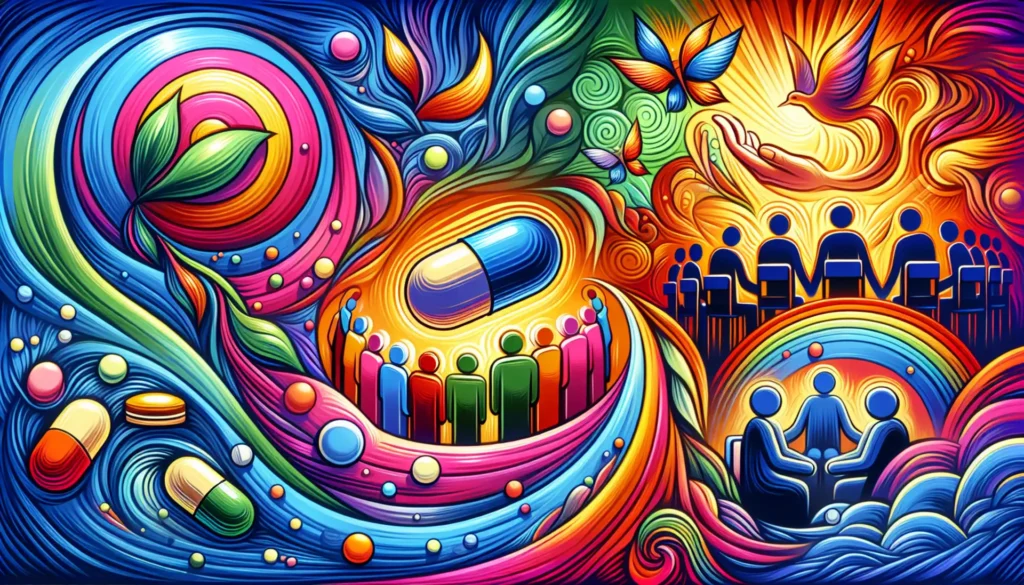
Choosing the right addiction treatment center is a critical step in the recovery journey. Recreate Ohio stands out for its evidence-based approach, individualized care, and ongoing support after treatment. The facility’s commitment to holistic healing, combining medical and behavioral therapies, ensures comprehensive care for every patient.
Why Trust Recreate Behavioral Health of Ohio for Opioid Addiction Treatment?
When facing opioid addiction, choosing the right treatment provider can mean the difference between successful recovery and continued struggle. Here’s what sets Recreate Behavioral Health of Ohio apart:
Clinical Expertise & Accreditation
Recreate Ohio is Joint Commission accredited and licensed by the Ohio Department of Mental Health and Addiction Services. All licensed counselors have completed graduate-level coursework in addiction and mental health treatment. Our clinical team specializes in dual diagnosis treatment, understanding that opioid addiction often co-occurs with mental health conditions.
Evidence-Based Treatment Protocols
Our opioid addiction treatment programs are built on scientifically validated approaches including Cognitive Behavioral Therapy (CBT), Dialectical Behavior Therapy (DBT), and Medication-Assisted Treatment (MAT). We don’t rely on untested methods — every therapy we use has been proven effective in clinical research.
Network Strength with Local Care
As part of the Recreate Behavioral Health Network, we bring national-level clinical expertise to Ohio while maintaining deep community roots in Gahanna and Columbus. This combination provides access to advanced treatment protocols with personalized, local care.
Specialized Dual Diagnosis Treatment
Unlike facilities that treat addiction and mental health separately, Recreate Ohio specializes in integrated care for co-occurring disorders. This approach recognizes that conditions like depression, anxiety, and PTSD often fuel opioid addiction and must be treated together for lasting recovery.
Transparent Insurance Process
We’re in-network with major insurance providers including Cigna, Medical Mutual, Blue Cross Blue Shield, and Tricare. Our admissions team handles insurance verification directly, removing financial barriers to life-changing treatment.
Frequently Asked Questions About Opioid Addiction Treatment
Opioid addiction is a complex and challenging issue, but effective treatment is available. Recognizing the symptoms of opioid use disorder early and seeking help from specialized programs like those at Recreate Ohio can make a significant difference. From detoxification and inpatient treatment to behavioral therapies and aftercare support, Recreate Ohio offers comprehensive care to help individuals achieve long-term recovery.
No — MAT medications like buprenorphine and naltrexone are FDA-approved treatments that work differently than opioids of abuse. They help normalize brain chemistry, reduce cravings, and prevent relapse without producing euphoria. MAT is considered the gold standard of care for opioid use disorder.
Medical detox at Recreate Ohio includes 24/7 monitoring, medication to ease withdrawal symptoms, and personalized care plans. Common withdrawal symptoms include muscle aches, nausea, anxiety, and sleep disturbances. Our medical team ensures safety and comfort throughout the process.
Most insurance plans are required to cover addiction treatment under the Mental Health Parity Act. Recreate Ohio is in-network with major providers including Cigna, Medical Mutual, Blue Cross Blue Shield, and Tricare. Our admissions team verifies coverage before treatment begins.
Yes — Recreate Ohio specializes in dual diagnosis treatment for people with both addiction and mental health conditions. We understand that depression, anxiety, PTSD, and other conditions often contribute to opioid misuse. Our integrated approach treats both simultaneously for better outcomes.
Success rates vary, but people who complete residential treatment combined with MAT have the highest recovery rates — typically 60-80% maintain abstinence in the first year. Factors that improve success include family support, aftercare participation, and treatment for co-occurring mental health conditions.
The level of care needed depends on factors like severity of addiction, previous treatment attempts, co-occurring disorders, and home environment. Many people with opioid use disorder benefit from starting with residential treatment to establish stability before transitioning to outpatient care.
Summary
Opioid addiction is a complex and challenging issue, but effective treatment is available. Recognizing the symptoms of opioid use disorder early and seeking help from specialized programs like those at Recreate Ohio can make a significant difference. From detoxification and inpatient treatment to behavioral therapies and aftercare support, Recreate Ohio offers comprehensive care to help individuals achieve long-term recovery.
Opioid use disorder (OUD) is characterized by uncontrollable opioid use, leading to significant harm and disruption in daily life.
Recreate Ohio uses Cognitive Behavioral Therapy (CBT) to treat depression, helping patients develop healthier thought patterns and stay committed to their recovery.
Recreate Ohio offers alumni programs, outpatient services, and ongoing support to minimize relapse risks and ensure long-term recovery.
Recreate Ohio offers detoxification, residential treatment, behavioral therapy, and dual diagnosis care to support individuals in their recovery from opioid addiction.
Aftercare planning helps individuals build coping skills, prevent relapse, and access community resources, ensuring long-term recovery success.
Opioid Addiction Treatment Near Gahanna
Opioid Addiction Treatment Near Columbus
Opioid Addiction Treatment Near Upper Arlington
Opioid Addiction Treatment Near New Albany
Opioid Addiction Treatment Near Huber Ridge
Opioid Addiction Treatment Near Blacklick
Opioid Addiction Treatment Near Reynoldsburg
Opioid Addiction Treatment Near Pataskala
Opioid Addiction Treatment Near Jersey
Opioid Addiction Treatment Near Westerville
Opioid Addiction Treatment Near Flint
Opioid Addiction Treatment Near Urbancrest
Opioid Addiction Treatment Near Grove City
Opioid Addiction Treatment Near Summit Station
Opioid Addiction Treatment Near Oakland
Opioid Addiction Treatment Near Beechwood Trails
Opioid Addiction Treatment Near Clintonville
Opioid Addiction Treatment Near Forest Park East
Opioid Addiction Treatment Near Rocky Fork-Blacklick
Opioid Addiction Treatment Near Blendon Woods
Opioid Addiction Treatment Near Grandview Heights
Opioid Addiction Treatment Near Whitehall
Opioid Addiction Treatment Near Blacklick Estates
Opioid Addiction Treatment Near Easton