
Cocaine doesn’t give you many warning signs. One day you’re using recreationally, and the next you can’t imagine getting through the week without it. That shift — from choice to compulsion — is the disease of addiction taking hold. And it’s not a sign of weakness. It’s neurology. The good news? Cocaine addiction responds to treatment. Real, evidence-based, personalized treatment.
Here’s the direct answer: Cocaine addiction treatment typically involves behavioral therapies — primarily Cognitive Behavioral Therapy (CBT) and Contingency Management — combined with residential or outpatient care, mental health support, and structured aftercare. There is no FDA-approved medication specifically for cocaine addiction, which makes the quality of behavioral programming the single most important factor in outcomes.
The clinical team at Recreate Behavioral Health of Ohio brings dual diagnosis expertise that sets this program apart from a standard addiction treatment center. As a Joint Commission accredited facility licensed by the Ohio Department of Mental Health and Addiction Services — including a primary mental health license granted in May 2025 — Recreate Ohio treats cocaine addiction alongside co-occurring conditions like depression, anxiety, and trauma, because these disorders almost never show up alone. Our residential program in Gahanna, Ohio gives individuals a structured, medically supervised environment where the real work of recovery can begin.
Why Cocaine Addiction Is Hard to Quit
Let’s be real: cocaine is considered one of the hardest addictions to break — not because the physical withdrawal is as dangerous as alcohol or opioids, but because the psychological grip is ferocious.
Cocaine floods the brain with dopamine, training your reward system to expect massive surges of pleasure that normal life simply can’t replicate. Over time, your brain actually reduces its own dopamine production, which means that without cocaine, everyday things stop feeling good. That’s not a personal failure. That’s brain chemistry.
The psychological withdrawal can be severe — and for many people, that’s where treatment makes the most difference. Here’s what you’re up against:
| Cocaine Withdrawal Phase | Typical Timeline | Common Symptoms |
|---|---|---|
| Crash (acute phase) | Hours to 3 days after last use | Fatigue, depression, increased appetite, intense cravings |
| Peak withdrawal | Weeks 1–2 | Anxiety, dysphoria, difficulty concentrating, strong drug cravings |
| Protracted withdrawal | Weeks 3–10+ | Mood swings, intermittent cravings, anhedonia (inability to feel pleasure) |
The peak withdrawal period — generally the first two weeks — is the most intense. This is the window where the right support environment makes or breaks early recovery.
What does that support look like in practice? That’s exactly what we’re going to walk through.
What Cocaine Addiction Treatment Actually Involves
Formalized addiction treatment for cocaine is built on behavioral interventions. That’s not a limitation — it’s a reflection of where the science actually points.
Cognitive Behavioral Therapy (CBT)
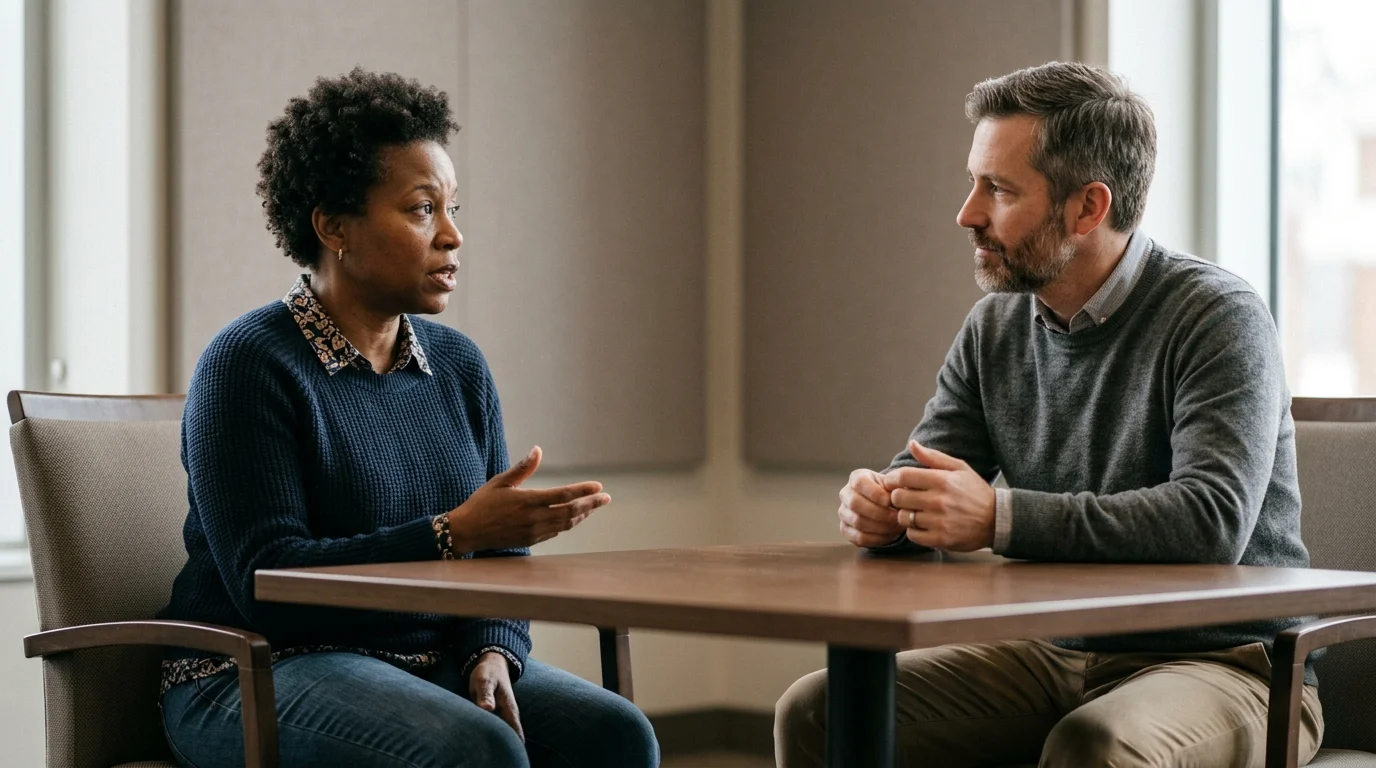
CBT is the most researched therapy for cocaine use disorder. It works by helping you identify the thought patterns and environmental triggers that fuel cocaine use, and then systematically building different responses. You’re not just white-knuckling it — you’re rewiring the automatic associations that make cocaine feel necessary.
At Recreate Behavioral Health of Ohio, CBT isn’t a checkbox. It’s woven into individualized treatment plans alongside other evidence-based approaches, because a single modality rarely addresses everything a person is managing.
Contingency Management (CM)
Contingency Management uses a reward-based structure to reinforce cocaine abstinence. Research consistently shows it’s one of the most effective tools for cocaine use disorder specifically. When you stay clean, you earn tangible rewards. It sounds simple. The outcomes are not — they’re impressive.
Motivational Interviewing (MI)
Not everyone arrives at treatment fully ready to commit. Motivational Interviewing meets ambivalence directly, helping you find your own reasons to change rather than being lectured about why you should. It’s collaborative, and it works.
Dual Diagnosis Treatment
This is where most programs fall short. Cocaine use disorders co-occur with anxiety, depression, PTSD, and bipolar disorder at extraordinarily high rates. Treating cocaine addiction without addressing the underlying mental health condition is like treating a symptom while ignoring the cause.
At Recreate Ohio, dual diagnosis treatment isn’t an add-on. It’s the foundation.
Client Spotlight
Phillip had been using cocaine on and off for six years — mostly on. By the time his wife called our admissions team, he hadn’t slept more than three hours at a stretch in weeks, and his anxiety had become something neither of them recognized anymore. What the family didn’t know was that Phillip had been managing untreated anxiety since his early twenties. The cocaine had been, in a terrible way, self-medication. At Recreate Ohio, his treatment plan addressed both: cocaine use disorder and the anxiety disorder that had quietly driven it for years. Eight months after discharge, Phillip is working again and seeing his therapist weekly. His wife told our team that getting him the dual diagnosis evaluation was the piece they didn’t know they were missing.
Levels of Care for Cocaine Addiction Treatment in Ohio
Not everyone needs the same level of care. What matters is matching the intensity of treatment to the severity of the addiction — and being honest about what that looks like.
| Level of Care | What It Involves | Best For |
|---|---|---|
| Residential / Inpatient | 24/7 structured programming, individual and group therapy, dual diagnosis treatment, medically supervised environment | Moderate to severe cocaine addiction; co-occurring mental health conditions |
| Intensive Outpatient Program (IOP) | Multiple therapy sessions per week, allows you to live at home | Mild to moderate addiction; step-down from residential |
| Outpatient Program (OP) | Ongoing individual therapy, group support | Early-stage addiction or long-term maintenance |
Recreate Behavioral Health of Ohio provides residential treatment directly on campus in Gahanna — and then coordinates seamlessly with trusted community partners for IOP and outpatient step-down care. You’re not discharged into a void. You’re transitioned into a clear, supported next phase.
What About Detox?
Here’s something people don’t always realize: cocaine withdrawal, while psychologically brutal, isn’t typically life-threatening the way alcohol or benzodiazepine withdrawal can be. There’s no FDA-approved medication specifically to counteract cocaine withdrawal. What does help is medical supervision, supportive care, and management of the depression and anxiety that accompany the crash phase.
If you’re also using alcohol, opioids, or fentanyl alongside cocaine (which is increasingly common in 2026), medical detox becomes essential — and potentially urgent. Our medical team assesses every person individually on admission, because polydrug use changes the clinical picture significantly.
The Connection Between Cocaine and Other Substance Use
Cocaine rarely exists in isolation. Many people use alcohol to come down from cocaine, or use cocaine to counteract opioids or fentanyl. This combination — sometimes called polydrug use — makes prescription drug addiction treatment more complex and residential care more necessary.
What does this mean for treatment? It means your program needs to address every substance in the picture, not just the one you came in for. And it means the mental health dimension — why multiple substances were being used, what they were managing — has to be part of the clinical plan.
That’s exactly how Recreate Ohio approaches it. Ohio addiction treatment that treats the whole person, not just the primary presenting substance.
Client Spotlight
Kira’s family found her through a late-night search for an addiction treatment center near me. She’d been using cocaine and alcohol together for two years, and the depression that followed every binge had become its own emergency. She wasn’t sure she qualified for residential care — she thought “real” rehab was for people using needles. Her intake assessment told a different story. Kira spent 28 days in our residential program, where her treatment team addressed the cocaine use, the alcohol dependence, and the major depressive disorder that had been driving both. She told us the thing that surprised her most was being treated like someone with a medical condition — not a problem to be managed.
What to Expect When You Call
Reaching out to an addiction treatment center is hard enough. We don’t make it harder.
When you contact Recreate Behavioral Health of Ohio, here’s what actually happens:
- A real conversation. Our admissions team picks up. No automated menus, no forms before talking to a person.
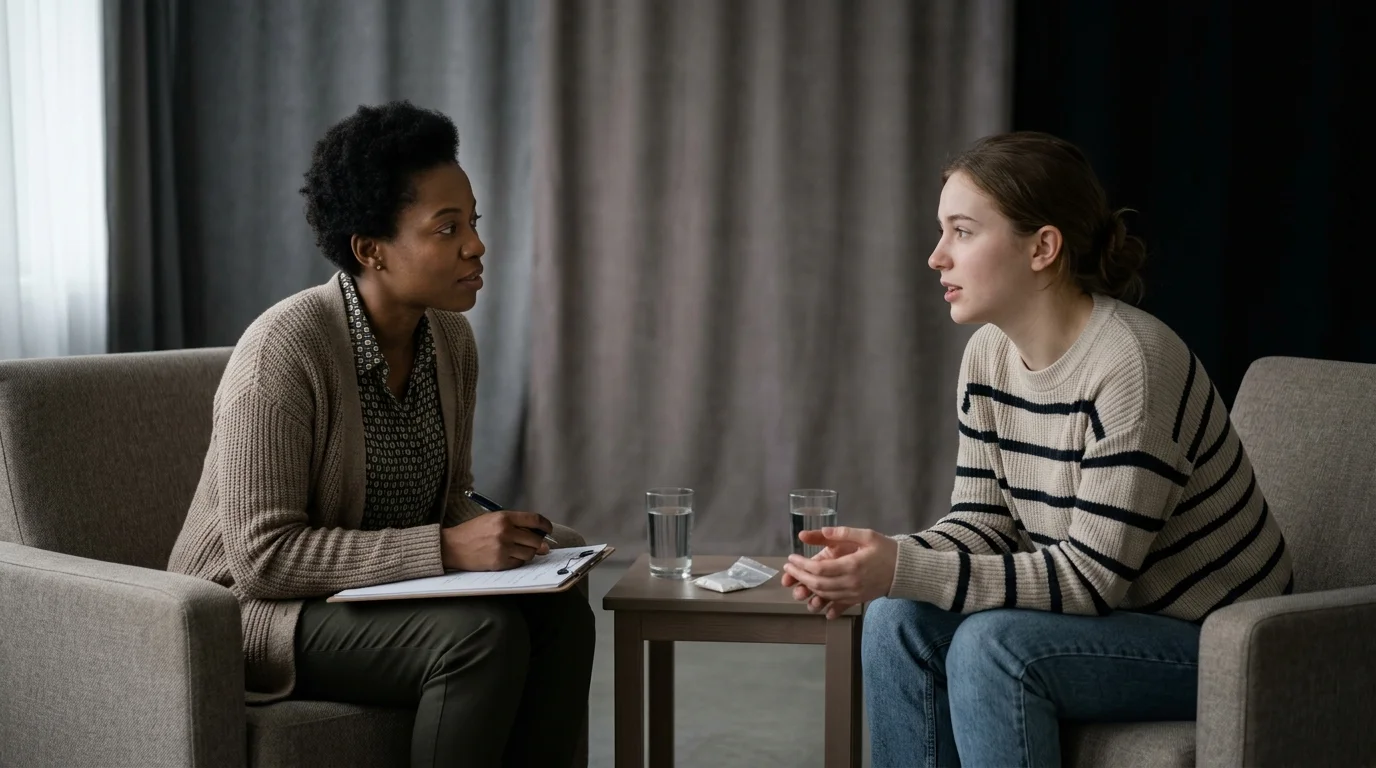
- A clinical screening. We’ll ask about your substance use history, current situation, and any mental health concerns — not to judge, but to understand what level of care fits you best.
- Insurance verification. We’re in-network with Medical Mutual, Cigna, Blue Cross Blue Shield, Tricare, and most major carriers. Our team handles the verification directly, so you don’t have to navigate that alone.
- A clear next step. Whether that’s scheduling admission, answering questions about what residential treatment looks like, or helping a family member understand their options — we give you something concrete to move toward.
You don’t have to have everything figured out before you call. That’s what we’re here for.
What Sets Recreate Behavioral Health of Ohio Apart
The difference between adequate addiction treatment and genuinely effective Ohio addiction treatment comes down to a few things — and we’re specific about each.
Dual diagnosis as the default, not the exception. Our clinical team is built around co-occurring disorder treatment. Every treatment plan addresses both the addiction and the mental health conditions that accompany it, because that’s how these conditions actually present. Addressing one without the other doesn’t hold.
A serene residential setting that’s part of the treatment. Our campus in Gahanna — just minutes from Columbus — sits across from a municipal golf course with access to trails and green space along Big Walnut Creek. Distance from triggers matters clinically. Environment is part of treatment.
National caliber, local roots. Recreate Ohio is part of the Recreate Behavioral Health Network, with facilities across the eastern United States. That network brings clinical depth and proven programming to Ohio — without losing the community-rooted feel that makes this place feel like it’s actually here for you.
Accreditations that matter. Joint Commission accreditation. Ohio DMHAS licensure. A primary mental health license granted in May 2025. These aren’t marketing credentials — they’re the minimum standard of trust that someone seeking help deserves to verify.
Supporting Articles
- Addiction Treatment in Ohio — A broader look at addiction treatment options available across Ohio, including what to expect from different levels of care and how to find the right fit.
- Dual Diagnosis Treatment Centers in Ohio — Explores how co-occurring mental health conditions and addiction are treated together — a key factor in long-term cocaine recovery.
- Residential Addiction Treatment Ohio — Details what day-to-day life in residential treatment looks like, and why immersive care produces stronger outcomes for complex addictions.
- Cbt Therapy for Addiction Ohio — A deep dive into how Cognitive Behavioral Therapy works for substance use disorders, including cocaine — and why it’s the most evidence-backed option available.
- Treatment for Prescription Drug Addiction — Relevant for people managing polydrug use alongside cocaine, including prescription opioids or benzodiazepines.
Frequently Asked Questions
What helps you come off cocaine?
The most effective tools for cocaine withdrawal are behavioral therapies — especially CBT and Contingency Management — delivered in a structured treatment setting. Medically supervised residential care addresses the intense psychological symptoms of withdrawal, including depression, anxiety, and cravings, while treating any co-occurring mental health conditions that may have been driving the use.
When does cocaine withdrawal peak?
Cocaine withdrawal typically peaks during the first one to two weeks after stopping use. During this window, symptoms like dysphoria, anxiety, exhaustion, and intense cravings are most severe. Symptoms gradually decline in intensity after peaking, though some people experience intermittent cravings and mood disturbances for weeks or months beyond the acute phase.
What is the treatment for cocaine abuse?
The primary treatment for cocaine use disorder is behavioral therapy — including CBT, Contingency Management, and Motivational Interviewing — delivered in residential or outpatient settings. There’s currently no FDA-approved medication specifically for cocaine addiction, making the quality of the behavioral programming the most important variable in treatment outcomes.
What is cocaine washout syndrome?
Cocaine washout syndrome is a rare and serious complication of prolonged cocaine use, characterized by a brief coma that typically resolves on its own. The proposed mechanism involves depletion of the brain’s dopamine and norepinephrine reserves after extended heavy use. It requires immediate medical attention and is one reason medically supervised care matters even in cocaine treatment.
Does Recreate Behavioral Health of Ohio treat cocaine addiction specifically?
Yes. Recreate Ohio provides residential cocaine addiction treatment that integrates CBT, Contingency Management, Motivational Interviewing, and dual diagnosis mental health care. Our clinical team addresses the full clinical picture — including co-occurring conditions like anxiety, depression, and PTSD — because cocaine addiction rarely exists without a mental health component.
Does insurance cover cocaine addiction treatment?
In most cases, yes. Recreate Behavioral Health of Ohio is in-network with Cigna, Medical Mutual, Blue Cross Blue Shield, Tricare, and most major carriers. Our admissions team verifies your coverage directly, so you know exactly what to expect before treatment begins. Financial barriers shouldn’t stand between you and care.
How is cocaine addiction treatment different from fentanyl addiction treatment or alcohol detox?
The major clinical difference is in the detox phase. Fentanyl addiction treatment and alcohol detox involve medically managed withdrawal that can require medication and intensive monitoring for physical safety. Cocaine withdrawal, by contrast, is primarily psychological — severe, but not typically life-threatening on its own. However, many people use cocaine alongside opioids or alcohol, which changes the picture significantly and may require full medical detox.