Benzos feel like relief — at first. For many people, medications like Xanax, Valium, Klonopin, or Ativan were prescribed by a doctor for legitimate reasons: anxiety, panic disorder, insomnia, seizures. But over time, the brain adapts, dependence develops, and what once eased the anxiety now feels necessary just to get through the day. That’s not weakness. That’s how benzodiazepine dependence works — chemically, neurologically, and without your permission.
Here’s the direct answer: Benzodiazepine addiction treatment involves a medically supervised tapering detox to safely manage withdrawal, followed by residential or outpatient therapy that addresses both the dependence and the underlying anxiety, trauma, or mental health conditions driving it. Abruptly stopping benzos without medical supervision can be life-threatening.
Recreate Behavioral Health of Ohio is part of the Recreate Behavioral Health Network — a respected network with facilities across Florida, New Jersey, and New York — bringing that depth of national clinical expertise directly to our serene campus in Gahanna, Ohio, just minutes from Columbus. We hold Joint Commission accreditation, are licensed by the Ohio Department of Mental Health and Addiction Services, and carry a primary mental health license that allows us to treat anxiety, PTSD, depression, and other co-occurring conditions as primary diagnoses — not just footnotes to a substance use disorder. Prescription drug addiction treatment is at the heart of what we do, and benzodiazepine dependence is one of the most clinically complex presentations our team manages with regularity.
Why Benzodiazepine Dependence Is Different
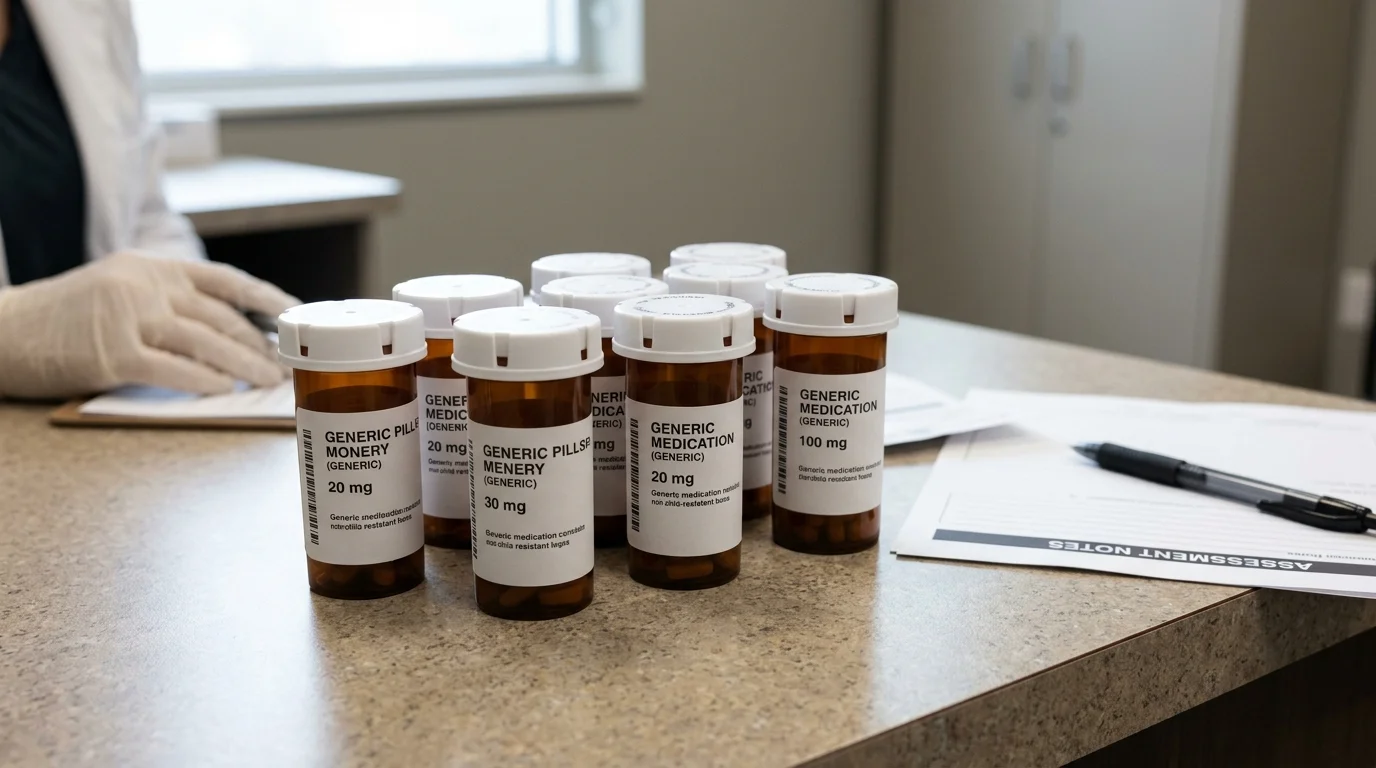
Not all substance use disorders look the same. And benzodiazepine dependence stands apart in ways that make standard addiction treatment protocols genuinely insufficient.
Here’s the thing — benzos work by enhancing the effects of GABA, a neurotransmitter that slows down brain activity. Over time, your brain starts to rely on the drug to maintain that balance. When you reduce or stop the medication, the nervous system goes into a kind of overdrive. The result isn’t just discomfort — it can be dangerous.
Withdrawal symptoms from benzodiazepines can include:
- Severe anxiety and panic attacks
- Insomnia and sensory hypersensitivity
- Muscle tremors and physical weakness
- Cognitive confusion and memory disruption
- Seizures (in cases of abrupt discontinuation or heavy use)
- Psychosis, in serious cases
Can you abruptly stop taking benzodiazepines? No — and this distinction is medically important. Stopping benzos suddenly can trigger life-threatening seizures and acute psychosis. Unlike some other substances where stopping cold turkey is uncomfortable but survivable, benzodiazepine discontinuation without a supervised taper protocol carries genuine medical risk.
This is why finding an addiction treatment center with real medical infrastructure isn’t optional. It’s the starting point.
What Benzodiazepine Addiction Treatment Actually Involves
So what does treatment actually look like when you come to an Ohio addiction treatment center for benzo dependence? Here’s a realistic breakdown.
Step 1: Medical Detox with a Supervised Taper
The clinical consensus is clear: benzodiazepines should be discontinued gradually — typically over four to six weeks or longer, depending on dosage and how long you’ve been taking them. Our medical team designs a personalized detox plan that reduces your dose incrementally, monitoring your neurological and physical status around the clock.
In some cases, a longer-acting benzodiazepine (such as diazepam) is substituted for a shorter-acting one to create a smoother, more controlled taper. Medications may also be used to manage specific withdrawal symptoms like blood pressure spikes, insomnia, or anxiety spikes during the process.
What medication is used to treat benzodiazepine withdrawal? Clinicians often use a gradual taper with diazepam (Valium) as a longer-acting substitute. In select clinical settings, low-dose flumazenil — a GABA-A receptor antagonist — has been used as an infusion protocol to help patients reduce to a lower dose more rapidly. Beta-blockers and anticonvulsants may address specific symptoms.
| Stage | What Happens | Timeline |
|---|---|---|
| Medical Assessment | Full intake evaluation, labs, medication review | Day 1 |
| Stabilization | Dose adjusted, monitoring begins | Days 1–3 |
| Gradual Taper | Systematic dose reduction under medical supervision | Weeks 1–6+ |
| Transition to Residential | Detox stabilized; therapeutic programming begins | After stabilization |
This table shows the progression our team guides you through — not a rigid schedule, but a clinical framework that adapts to how your body responds. Every taper is personalized.
Step 2: Residential Treatment and Dual Diagnosis Work
Detox stabilizes the body. Residential treatment addresses everything underneath it.
And here’s what most people don’t expect: the anxiety or panic disorder that led to the benzo prescription in the first place doesn’t disappear when the medication does. In fact, it often intensifies during early recovery — a phenomenon called rebound anxiety. Without concurrent mental health treatment, many people return to the medication because the underlying condition was never addressed.
This is where Recreate Behavioral Health of Ohio’s dual diagnosis specialty becomes genuinely critical. We don’t treat the benzodiazepine dependence in isolation. We treat it alongside whatever co-occurring condition — anxiety, PTSD, depression, trauma — has been intertwined with the substance use all along.
Our licensed clinicians use evidence-based therapies that have demonstrated real effectiveness for both prescription drug addiction treatment and co-occurring mental health conditions:
- Cognitive Behavioral Therapy (CBT) — Helps you recognize and restructure the thought patterns that sustain anxiety and drug-seeking behavior
- Dialectical Behavior Therapy (DBT) — Builds emotional regulation and distress tolerance skills that reduce reliance on chemical coping
- Motivational Interviewing (MI) — Strengthens internal motivation for sustained recovery when ambivalence feels overwhelming
- Group Therapy — Reduces the isolation that often accompanies prescription drug dependence, which carries its own particular shame
- Family Therapy — Because your recovery doesn’t happen in a vacuum, and the people who love you deserve support too
Client Spotlight
Stephanie had been taking Ativan for eight years — prescribed after her mother’s illness, renewed year after year without much conversation about it. By the time she called us, she’d already tried to stop twice on her own. The second attempt had scared her badly. She came to Recreate Ohio expecting detox, but what she didn’t expect was the PTSD diagnosis that emerged in her first week of residential treatment. She’d been managing grief and unprocessed trauma with a medication that quieted everything down — until it stopped working that way. Her taper took nearly six weeks. Her residential stay extended beyond that. She’s now in outpatient care through one of our community partners, working with a therapist who specializes in grief and anxiety. She told our counselor that it was the first time anyone had treated the whole picture.
Step 3: Aftercare and Community-Connected Recovery
Treatment at Recreate Ohio doesn’t end at discharge. Recovery from benzodiazepine dependence — especially long-term use — can involve months of gradual neurological normalization. The brain’s GABA receptors begin to reset once the drug is fully tapered, but that process takes time. Most research suggests that GABA receptor function normalizes within two to six months after complete discontinuation, with mood and sleep often improving in waves rather than all at once.
Our team coordinates your transition to step-down care — intensive outpatient programming (IOP) and outpatient programs (OP) — through trusted community partners in the Gahanna and Columbus area. You’re not leaving treatment and going home to figure it out alone. You’re moving into a structured support system built around your continued recovery.
The Connection Between Benzos and Other Substance Use
What makes benzo dependence even more complex is how frequently it co-occurs with other substance use — particularly alcohol. Both alcohol and benzodiazepines work on the GABA system, which means people sometimes use them interchangeably or simultaneously. Alcohol can intensify benzo effects dangerously, and some people use alcohol to manage the rebound anxiety they feel between benzo doses.
Sound familiar? If you’ve been using alcohol to manage anxiety that benzos are no longer controlling — or combining substances in ways that scare you — that pattern matters clinically. It shapes your detox protocol, your therapy approach, and your long-term recovery plan.
We also see benzodiazepines appear alongside opioid use. While fentanyl addiction treatment addresses a different physiological mechanism, the co-occurrence of benzodiazepines and opioids has been identified as a particularly dangerous combination — one that requires careful, coordinated medical management during detox. If this describes your situation, our team has the clinical infrastructure to address both simultaneously.
Client Spotlight
Marcus had been using his wife’s Klonopin prescription alongside a growing alcohol habit for about two years before his adult son called our admissions line. Marcus wasn’t ready to admit anything was wrong. His son — exhausted and scared after finding his father unresponsive one evening — just needed someone to tell him what to do. Our admissions team walked him through the process: how to approach the conversation, what intervention options exist, and what treatment would look like if Marcus agreed to come in. Marcus came in three weeks later. His detox required managing both alcohol withdrawal and benzodiazepine discontinuation concurrently — a medically complex picture that our team manages with 24/7 monitoring and individualized protocols. He’s now six months into his recovery.
What Sets Our Approach to Prescription Drug Addiction Treatment Apart
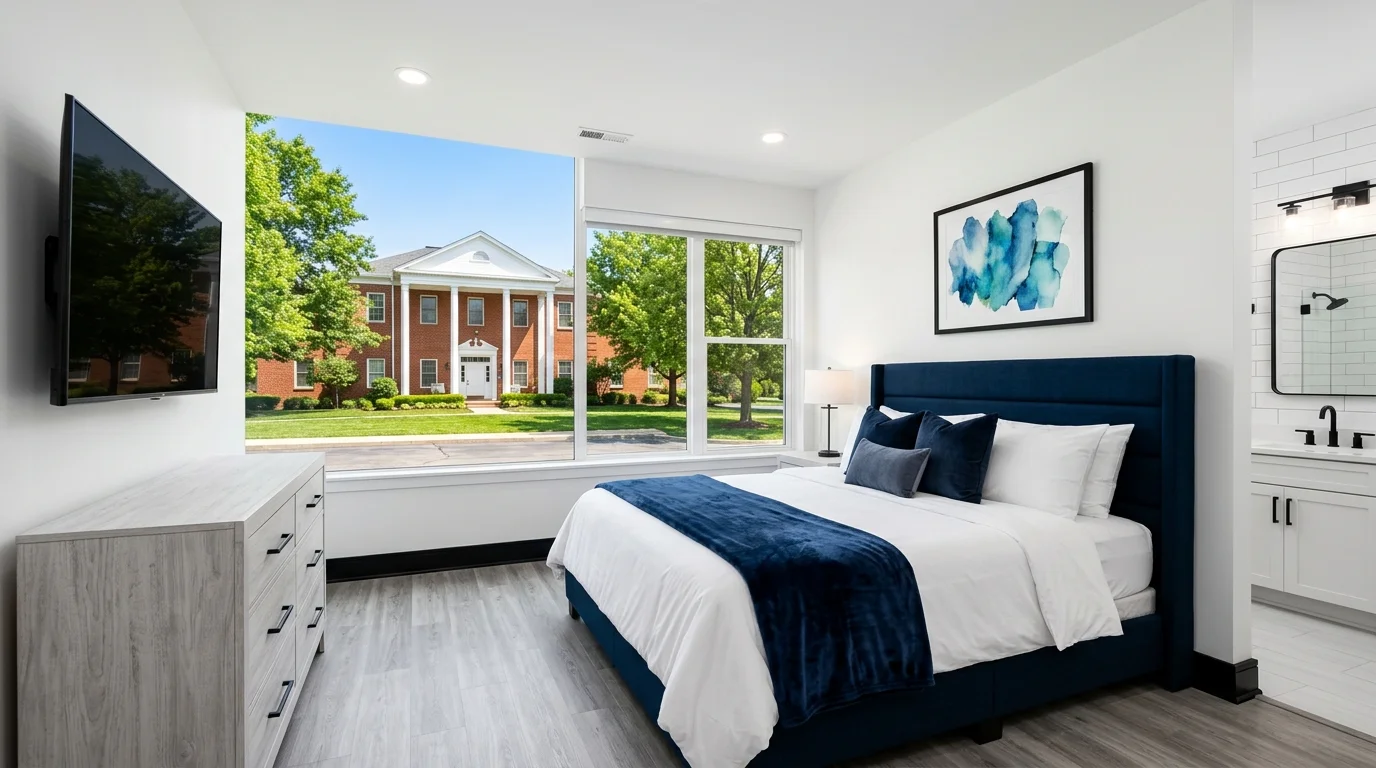
What makes Recreate Behavioral Health of Ohio different isn’t just a list of services — it’s the clinical philosophy behind them.
We don’t treat benzodiazepine dependence as a willpower problem or a medication management issue. We treat it as a complex, chronic condition that developed within a specific human context — a context that includes your mental health history, your trauma, your family dynamics, your neurology, and your life. Every treatment plan is built around that individual context, not a generic template.
Our clinical team holds graduate-level credentials across addiction counseling, mental health treatment, and dual diagnosis care. We’re in-network with Cigna, Medical Mutual, Blue Cross Blue Shield, Tricare, and most major insurance carriers — because financial concerns shouldn’t prevent anyone from getting care that their body and brain genuinely need. Our admissions team handles insurance verification directly so you can focus on getting better, not navigating paperwork.
The Recreate Behavioral Health Network brings national-caliber clinical standards to our Gahanna campus — which means you’re getting the depth of expertise developed across multiple facilities, delivered in a peaceful suburban setting that’s removed from daily triggers and stressors.
Joint Commission accreditation isn’t just a credential. It means our processes, our staffing, our clinical protocols, and our patient safety standards have been independently evaluated and verified. That matters — especially for something as medically serious as benzodiazepine detox.
Supporting Articles
- Treatment for Prescription Drug Addiction — Covers the full scope of prescription drug dependence treatment, including how individualized care plans address the range of substances most commonly misused.
- Anxiety and Addiction Treatment Ohio — Explores the deep clinical connection between anxiety disorders and substance use, and how treating them together produces better outcomes than addressing either in isolation.
- Dual Diagnosis Treatment Centers in Ohio — A detailed look at co-occurring disorder treatment and why integrated care matters for anyone managing addiction alongside a mental health condition.
- Residential Addiction Treatment Ohio — Explains what residential treatment actually looks like day to day, what to expect during a stay, and how immersive programming supports lasting recovery.
- Addiction Treatment in Ohio — A broader overview of ohio addiction treatment options, levels of care, and how to find the right fit based on your specific situation.
Frequently Asked Questions
How Is Benzodiazepine Addiction Treated?
Benzodiazepine addiction treatment begins with a medically supervised taper — not abrupt discontinuation — to safely reduce the drug while preventing dangerous withdrawal effects like seizures. Once medically stabilized, residential treatment addresses the co-occurring mental health conditions (anxiety, trauma, depression) that typically underlie long-term benzo dependence, using evidence-based therapies like CBT and DBT.
Can You Stop Taking Benzodiazepines Suddenly?
No — and this isn’t something to attempt without medical supervision. Abrupt benzodiazepine cessation can trigger severe seizures, psychosis, and life-threatening neurological events. Safe discontinuation requires a gradual taper managed by medical professionals, typically over four to six weeks or longer depending on dosage and duration of use.
What Medication Is Used for Benzodiazepine Withdrawal?
Clinicians typically use a longer-acting benzodiazepine like diazepam to create a smoother, more controlled taper. In select cases, low-dose flumazenil — a GABA-A receptor antagonist administered by infusion — has been used to facilitate rapid dose reduction. Beta-blockers, anticonvulsants, and other supportive medications may manage specific symptoms like elevated blood pressure, tremors, or severe insomnia.
Does Your Brain Return to Normal After Benzodiazepines?
Yes, for most people. The brain begins healing once the taper is complete, and GABA receptor function typically normalizes within two to six months after full discontinuation. Mood, sleep quality, and cognitive clarity often improve in stages rather than all at once — which is why sustained aftercare and mental health support during that window matters so much.
What Makes Benzodiazepine Detox Different From Other Drug Detox?
Unlike many substances where cold-turkey cessation is medically uncomfortable but not life-threatening, benzodiazepine withdrawal can cause fatal seizures. This makes benzo detox one of the most medically complex processes in addiction treatment — requiring 24/7 monitoring, a carefully calibrated taper protocol, and the ability to respond quickly to neurological or cardiovascular complications.
Does Recreate Behavioral Health of Ohio Accept Insurance for Benzodiazepine Treatment?
Yes. Recreate Behavioral Health of Ohio is in-network with Cigna, Medical Mutual, Blue Cross Blue Shield, Tricare, and most major insurance carriers. Our admissions team verifies your coverage directly and walks you through your benefits so you know what to expect before you arrive. Reach out to get started.
Do I Need Addiction Treatment Even If My Doctor Prescribed My Benzodiazepines?
Yes — benzodiazepine dependence can develop through legitimate, prescribed medical use. The origin of the prescription doesn’t change the physiological reality of dependence. If stopping the medication causes severe anxiety, physical symptoms, or withdrawal, that’s a clinical situation that deserves clinical care — not judgment. Our team approaches prescription drug dependence with that exact understanding.