
Heroin doesn’t take its time. It rewires the brain fast, creates physical dependence that can develop within weeks, and makes stopping feel — genuinely, physiologically — impossible without the right help. If you’re searching for heroin addiction treatment right now, for yourself or someone you love, here’s what you need to know: effective, evidence-based treatment exists, it works, and you don’t have to figure out where to start alone.
Heroin addiction treatment typically involves three integrated phases: medically supervised detox to manage withdrawal safely, residential or inpatient treatment to address the psychological and behavioral roots of addiction, and a supported transition into outpatient care for long-term recovery. Medication-assisted treatment (MAT) — using medications like buprenorphine or naltrexone — is often a key component, especially in the early stages.
Recreate Behavioral Health of Ohio treats heroin addiction as what it is: a chronic neurological disease that responds to clinical intervention. Our facility in Gahanna, Ohio holds Joint Commission accreditation and a license from the Ohio Department of Mental Health and Addiction Services. We offer medical detox, residential treatment, and dual diagnosis care — treating the addiction and any co-occurring mental health conditions together, which is where most heroin treatment programs fall short. As part of the Recreate Behavioral Health Network, we bring national clinical expertise to Central Ohio.
What Makes Heroin Addiction Different — and Why Treatment Matters
Heroin is a short-acting opioid. That means withdrawal hits hard and fast — often within 12 hours of the last dose — and the physical symptoms can be severe enough to make quitting without medical support both miserable and dangerous. But here’s the thing: withdrawal is only the beginning. The psychological grip of heroin addiction — the cravings, the triggers, the co-occurring anxiety or trauma that often fueled the use in the first place — doesn’t disappear after detox. That’s why detox alone isn’t treatment. It’s the doorway.
Most people who develop heroin addiction don’t start there. Many begin with prescription opioids — OxyContin, Vicodin, Percocet — and transition to heroin when prescription drug addiction treatment either wasn’t sought or wasn’t accessible. This pathway is well-documented and critically important to understand, because it shapes how treatment needs to be structured. The neurological damage from opioid dependence is real. The good news is that it’s treatable.
Medication-Assisted Treatment for Heroin Addiction

What medication is used to treat heroin addiction? The FDA has approved three primary medications: methadone, buprenorphine (often combined with naloxone as Suboxone), and naltrexone (available as the monthly injectable Sublocade or as oral Vivitrol). Each works differently.
| Medication | How It Works | Common Form | Best For |
|---|---|---|---|
| Methadone | Full opioid agonist; reduces cravings and withdrawal | Daily oral liquid (clinic-based) | Severe, long-term heroin use |
| Buprenorphine/Naloxone | Partial agonist; eases withdrawal without full opioid effect | Sublingual film or tablet, monthly injectable (Sublocade) | Most individuals; flexible settings |
| Naltrexone | Opioid blocker; prevents heroin from producing a high | Monthly injection (Vivitrol) or daily oral | Those fully detoxed; high motivation |
MAT isn’t a substitute for real recovery. It’s a clinical tool that stabilizes brain chemistry so the deeper work — therapy, skill-building, rebuilding a life — can actually happen. Research consistently shows that MAT, combined with behavioral therapy, produces significantly better outcomes than either approach alone. At Recreate Ohio, medication-assisted treatment is integrated into individualized treatment plans, not handed out as a one-size-fits-all solution.
Client Spotlight
When Wesley’s family reached out to our admissions team, they were exhausted. Their son had been using heroin for three years, had overdosed once, and had tried to quit twice on his own — both times ending in relapse within days because of the severity of withdrawal. We walked his parents through what medically supervised detox actually looks like: 24/7 monitoring, medications to manage withdrawal symptoms, and a clinical team assessing his mental health at the same time. Wesley completed detox and transitioned directly into residential treatment. Four months later, he was attending IOP and living at home. His mother told us the turning point was finally understanding that what he needed wasn’t more willpower — it was proper medical care.
What Heroin Withdrawal Actually Looks Like — and How We Treat It
What is used to treat heroin withdrawal? Medications like buprenorphine and methadone address withdrawal directly as opioid agonists, reducing symptoms by acting on the same receptors heroin does. Alpha-2 adrenergic agonists like clonidine are also used to manage specific withdrawal symptoms — sweating, anxiety, elevated heart rate — without opioid activity.
Heroin withdrawal typically follows this pattern:
- 12–24 hours after last use — Early symptoms begin: anxiety, restlessness, yawning, muscle aches, sweating
- 24–48 hours — Symptoms intensify: nausea, vomiting, diarrhea, insomnia, intense cravings
- 48–72 hours — Peak withdrawal; the most physically difficult window
- Days 4–7 — Acute symptoms begin to ease; fatigue and mood disruption continue
- Week 2 and beyond — Post-acute withdrawal syndrome (PAWS) can bring lingering anxiety, insomnia, and mood swings for weeks or months
This is why attempting to detox from heroin alone — at home, cold turkey — is not just difficult. It’s dangerous, and it dramatically increases the risk of relapse and overdose. Your body’s opioid tolerance drops fast during abstinence. A relapse after detox, using the same amount you used before, can be fatal.
Medically supervised detox at Recreate Ohio means a clinical team monitors you around the clock, adjusts your medication protocol in real time, and addresses any complications — including the anxiety and depression that surface hard during withdrawal — before they become a crisis.
Heroin Addiction and Co-Occurring Mental Health Conditions
This is where most addiction treatment programs miss the mark. Do you know why so many people relapse after completing detox or even a 30-day program? Because the underlying mental health conditions — PTSD, anxiety, depression, bipolar disorder — were never addressed. They were sitting there the whole time, waiting.
At Recreate Behavioral Health of Ohio, dual diagnosis treatment isn’t an add-on. It’s the foundation of how we treat heroin addiction. Our clinical team assesses every individual for co-occurring mental health conditions at intake, and those findings shape the entire treatment plan — the therapy approaches, the medication decisions, the discharge planning.
The connection between heroin use and mental health is well-established. Many people who develop heroin dependence were, at some point, managing untreated trauma, chronic pain, anxiety, or depression. Heroin worked — temporarily — to quiet those experiences. Treating the addiction without treating those underlying conditions is like treating a wound without removing the source of infection.
Client Spotlight
Diane came to us after years of what she described as “functioning depression” that gradually stopped functioning. She’d tried heroin for the first time in her late 30s after a painful divorce and quickly lost control of her use. She didn’t think of herself as an addict — she thought of herself as someone who was “medicating” something she didn’t have words for. What she didn’t know was that she had PTSD, dating back to childhood experiences that had never been treated. Her treatment plan at Recreate Ohio included CBT to address the trauma-linked thought patterns, EMDR-informed therapy, and MAT to stabilize her neurochemistry. She told her counselor at discharge: “I finally understand what I was running from — and I have tools to stop running.”
The Ohio Addiction Treatment Landscape — and What to Look For
If you’re searching for an addiction treatment center near you in Ohio, here’s what actually matters in a quality program:
- Accreditation — Joint Commission accreditation is the gold standard. It means the facility meets rigorous clinical and safety standards, not just basic state requirements.
- Dual diagnosis capability — Can they treat co-occurring mental health conditions, or will they refer you out? Integrated care produces better outcomes.
- Medical detox on-site — For heroin specifically, you want detox and residential care in the same location. Transitioning between facilities during withdrawal adds unnecessary risk.
- Individualized treatment plans — Cookie-cutter 30-day programs weren’t designed for the complexity of heroin addiction. You need a plan built around your history, your mental health, and your life.
- MAT availability — If a program doesn’t offer medication-assisted treatment for opioid addiction, that’s a significant clinical gap.
- Continuum of care — What happens after residential treatment? You need a clear, supported transition into IOP, outpatient, and community-based recovery.
Ohio addiction treatment has expanded significantly in recent years, and there are more options than ever. But not all programs are equal. Fentanyl addiction treatment has become increasingly relevant — the supply of street heroin is now almost entirely contaminated with fentanyl, which means the overdose risk is higher and the physiological dependence is more intense. Your treatment program needs to be equipped for that reality.
What Treatment Actually Looks Like at Recreate Ohio

What is the most common treatment for opioid addiction? The answer — backed by decades of research — is a combination of medication-assisted treatment and behavioral therapy, delivered within a structured treatment program. At Recreate Ohio, that plays out like this:
Medical Detox — Medically supervised, 24/7 monitored detox with individualized medication protocols. Withdrawal is managed, not suffered through.
Residential Treatment — Structured daily programming that includes:
- Individual therapy (CBT, DBT, Motivational Interviewing)
- Group therapy with peers also in recovery
- Family therapy (because addiction doesn’t happen in a vacuum)
- Dual diagnosis mental health treatment
- Medication management when appropriate
- Mindfulness and wellness programming
Step-Down Care — Through trusted community partners, Recreate Ohio coordinates transitions into intensive outpatient programs (IOP) and outpatient programs (OP), so the support doesn’t drop off at discharge.
Recovery from heroin addiction isn’t a single event. It’s a process. And the structure of that process matters enormously.
What Sets Recreate Behavioral Health of Ohio Apart
Let’s be real: every addiction treatment center says it provides excellent care. What we’d rather do is tell you specifically what makes Recreate Ohio different.
Our clinical team holds graduate-level training across addiction counseling and mental health — no exceptions. Every licensed counselor at our Gahanna facility has completed advanced academic preparation in the conditions they treat. That matters when someone is presenting with opioid dependence alongside trauma, depression, or anxiety, because treating those things well requires real clinical depth.
We’re in-network with Cigna, Medical Mutual, Blue Cross Blue Shield, Tricare, and most major insurance carriers. Financial barriers shouldn’t determine who gets help. Our admissions team verifies insurance coverage directly — you don’t have to navigate that on your own. And we operate as part of the Recreate Behavioral Health Network, which means the clinical standards, training frameworks, and treatment protocols we use have been developed and refined across facilities in multiple states.
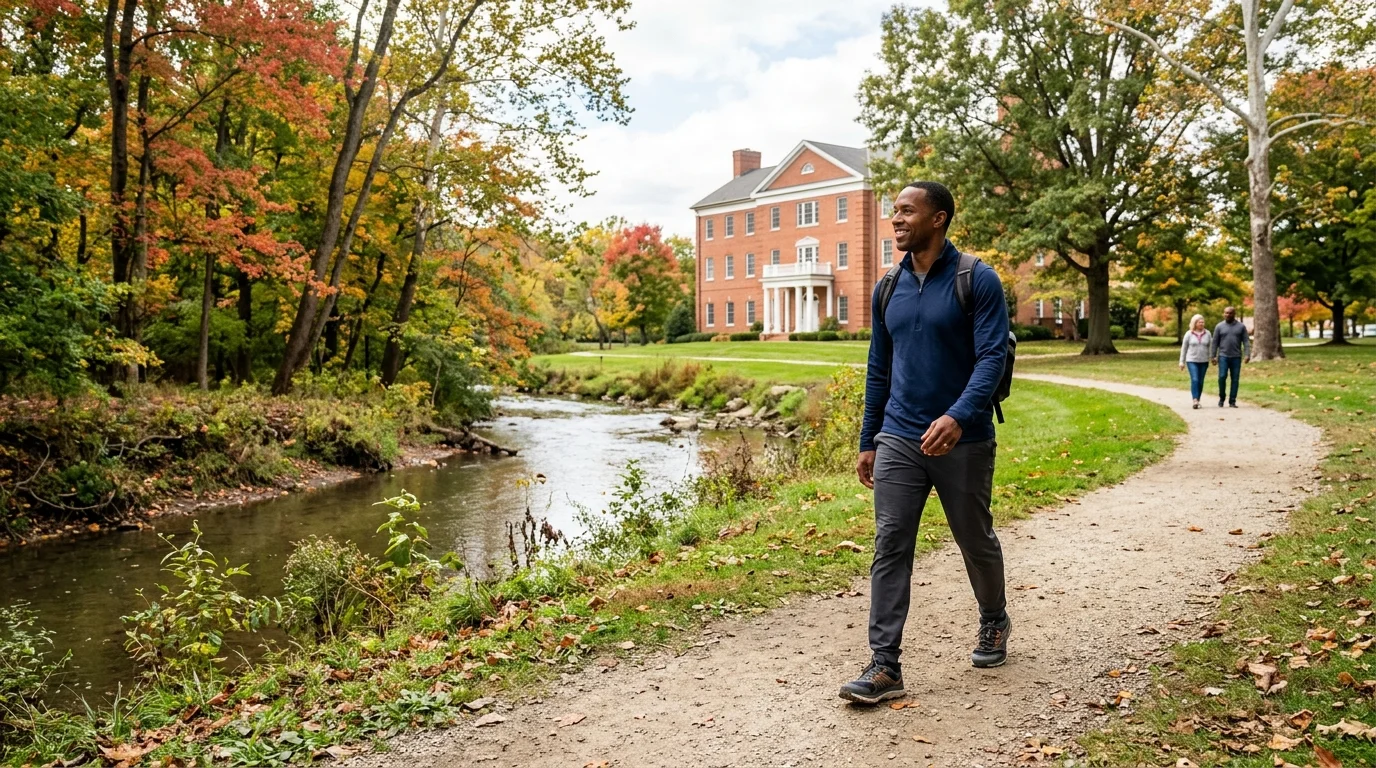
The Gahanna campus — minutes from Columbus, near the trails along Big Walnut Creek — provides a calm, distraction-free setting where people can put their full attention on recovery. That’s not a marketing detail. Environment affects outcomes. A peaceful, purposeful space matters when someone is doing some of the hardest work of their life.
Recreate Ohio also holds a primary mental health license issued by the state of Ohio in May 2025 — meaning we can treat individuals whose primary diagnosis is a mental health condition, even independent of substance use. That’s not common. And it reflects the clinical reality that behavioral health conditions rarely exist in tidy, separate boxes.
Supporting Articles
- Effective Opioid Addiction Treatment — A detailed look at how opioid addiction is treated medically and therapeutically, including MAT options and what to expect from a residential program.
- Opioid Detox — What medically supervised opioid detox involves, how withdrawal is managed, and why attempting detox alone is dangerous for opioids like heroin.
- Dual Diagnosis Treatment Centers in Ohio — Explores how co-occurring mental health conditions and substance use disorders are treated together — and why integrated care produces better outcomes than separate treatment.
- Fentanyl Detox — Since most street heroin now contains fentanyl, understanding fentanyl-specific detox protocols is essential for anyone seeking opioid addiction treatment today.
- Addiction Treatment in Ohio — An overview of addiction treatment options across Ohio, levels of care, and how to choose a program that fits your situation.
Frequently Asked Questions
What medication is used to treat heroin addiction?
The FDA has approved three medications for heroin addiction: methadone (a full opioid agonist that reduces cravings), buprenorphine/naloxone (a partial agonist available as Suboxone or the monthly injectable Sublocade), and naltrexone (an opioid blocker available as the monthly injectable Vivitrol). Each is used in different clinical contexts based on the individual’s history and treatment goals.
What is the gold standard treatment for opioid addiction?
The clinical consensus is that medication-assisted treatment (MAT) combined with evidence-based behavioral therapies — particularly CBT and Motivational Interviewing — produces the best outcomes for opioid addiction. Neither MAT alone nor therapy alone is as effective as the two used together within a structured treatment program that also addresses co-occurring mental health conditions.
What is used to treat heroin withdrawal?
Heroin withdrawal is managed with opioid agonists like buprenorphine and methadone, which reduce withdrawal symptoms by acting on the same brain receptors as heroin. Alpha-2 adrenergic agonists such as clonidine are also used to manage specific symptoms — sweating, elevated heart rate, anxiety — without opioid activity. Medically supervised detox allows protocols to be adjusted in real time based on how the individual responds.
What does heroin addiction treatment at a residential program look like day to day?
Residential heroin addiction treatment typically involves structured daily programming: individual therapy sessions, group therapy with peers in recovery, medication management when appropriate, and dual diagnosis mental health treatment. At Recreate Ohio, treatment plans are individualized — meaning the specific therapies, medications, and mental health components are built around each person’s unique history and clinical needs.
Does insurance cover heroin addiction treatment in Ohio?
Most major insurance plans cover addiction treatment, including detox and residential care. Recreate Behavioral Health of Ohio is in-network with Cigna, Medical Mutual, Blue Cross Blue Shield, Tricare, and most major carriers. Our admissions team handles insurance verification directly — reach out today and we’ll confirm your coverage before you need to make any decisions.
What is the difference between heroin addiction treatment and fentanyl addiction treatment?
Both involve opioid dependence, but fentanyl is significantly more potent and creates more intense physical dependence, which can affect withdrawal severity and MAT dosing requirements. Since most street heroin today is contaminated with fentanyl, treatment programs need to be equipped for both. At Recreate Ohio, our detox protocols account for fentanyl exposure — which is now the clinical expectation, not the exception.
Which recovery program is for people with a drug addiction?
Adults with drug addiction — including heroin and opioid dependence — are served by medical detox programs, residential inpatient treatment, intensive outpatient programs (IOP), and outpatient programs (OP). The right level of care depends on the severity of dependence, any co-occurring mental health conditions, and the individual’s home environment. Recreate Behavioral Health of Ohio offers medical detox and residential treatment on-site, with coordinated transitions into outpatient care through trusted community partners.