
When you’re searching for alcohol rehab centers in Ohio, you’re facing a critical decision that will shape your future or the future of someone you love. Ohio offers dozens of facilities claiming to provide quality addiction treatment, but here’s what most people discover too late: not all alcohol rehab programs are created equal. The difference between facilities that simply help you stop drinking temporarily and those that create lasting recovery comes down to three essential factors—comprehensive medical capability, integrated mental health treatment, and therapeutic depth that addresses why you started drinking in the first place.
At Recreate Behavioral Health of Ohio, we’ve built our alcohol addiction treatment program on a foundation that sets us apart from typical drug and alcohol rehab centers: on-site medical detox center services ensuring safe withdrawal, specialized dual diagnosis treatment for co-occurring mental health disorders, intensive residential programming that heals the whole person, and seamless coordination with community support for long-term recovery. Located on a serene campus in Gahanna near Columbus, Recreate Ohio serves individuals throughout Central Ohio and across the state who are struggling with alcohol addiction alongside the anxiety, depression, trauma, and other mental health conditions that so often fuel continued drinking. Rehabilitation centers like ours create individualized treatment plans to address each client’s unique needs based on their specific circumstances and challenges.
Because sustainable recovery from alcohol abuse requires more than just detoxification or brief counseling—it demands comprehensive care addressing every dimension of what addiction has damaged.
Understanding Alcohol Addiction and Why Treatment Matters

The Physical Nature of Alcohol Dependence
Alcohol addiction represents one of the most dangerous substance use disorders because of how profoundly alcohol affects brain chemistry and physical health. Unlike many drugs, alcohol withdrawal can be medically dangerous—even life-threatening—without proper supervision. When someone drinks heavily over extended periods, their brain adapts to constant alcohol presence, and suddenly stopping creates potentially severe withdrawal symptoms, including seizures, hallucinations, and delirium tremens.
This physical dependency explains why attempting to quit drinking alone often fails and can be medically dangerous. The body’s need for alcohol becomes overwhelming, making it nearly impossible to maintain sobriety through willpower alone. Medical detox center services provide the safe, supervised withdrawal management that protects your health while beginning the recovery journey.
The Mental Health Connection
Alcohol addiction rarely exists in isolation from mental health challenges. Research consistently shows that individuals with alcohol use disorders have significantly higher rates of anxiety, depression, post-traumatic stress disorder, and other mental health conditions. Many people initially turn to alcohol to self-medicate unbearable emotional pain, social anxiety, or trauma symptoms—finding temporary relief that ultimately creates devastating cycles of dependence.
This co-occurrence of addiction and mental health disorders requires integrated treatment addressing both conditions simultaneously. Drug and alcohol rehab centers that only focus on stopping drinking while ignoring underlying mental health issues set people up for relapse when the untreated anxiety or depression becomes unbearable again.
Why Ohio Residents Need Quality Treatment Options
Ohio has faced significant challenges with substance abuse, including alcohol addiction, that devastates families and communities throughout the state. From Columbus to Cleveland, Cincinnati to Toledo, Youngstown to Akron, alcohol-related health problems, accidents, and deaths impact thousands of Ohio families annually. Access to quality addiction treatment services can mean the difference between life and death, between continued suffering and genuine healing.
The good news is that recovery is possible with comprehensive care. Thousands of people across Ohio have overcome alcohol addiction and rebuilt fulfilling lives through evidence-based treatment that addresses the disease of addiction at its roots.
Types of Alcohol Rehab Programs Available in Ohio
Medical Detox: The Critical First Step
Medical detox represents the essential foundation for safe alcohol addiction recovery. Ohio’s medical detox centers provide 24-hour medical supervision during withdrawal, managing symptoms with appropriate medications and monitoring vital signs to ensure safety throughout the process. Detoxification typically lasts 5-10 days, depending on drinking history and withdrawal severity.
Not all rehab facilities in Ohio offer medical detox services—many require you to complete detox elsewhere before admission, creating dangerous gaps in care. At Recreate Behavioral Health of Ohio, we’re proud to provide on-site medical detox, ensuring seamless transitions from withdrawal management into residential treatment without discharge or interruption in comprehensive care.
Our medical team includes physicians, nurses, and nursing staff who understand alcohol withdrawal’s complexities and ensure safety while minimizing discomfort. Appropriate medications manage symptoms like anxiety, tremors, elevated blood pressure, and sleep disturbances, making the detox process as comfortable as possible while preventing medical complications.
Inpatient and Residential Treatment Programs
Residential addiction treatment provides intensive 24-hour care in therapeutic environments where individuals focus entirely on recovery without everyday life’s distractions, triggers, and stressors. These programs typically last 30-90 days or longer and offer structured daily programming that includes individual therapy, group counseling, evidence-based therapies, holistic treatments, and life skills development.
Inpatient addiction treatment in Ohio ranges from hospital-based programs focusing primarily on medical stabilization to residential treatment centers like Recreate Ohio that emphasize comprehensive therapeutic work in serene, supportive environments. The residential model creates healing communities where individuals support each other’s recovery while receiving expert guidance from addiction professionals.
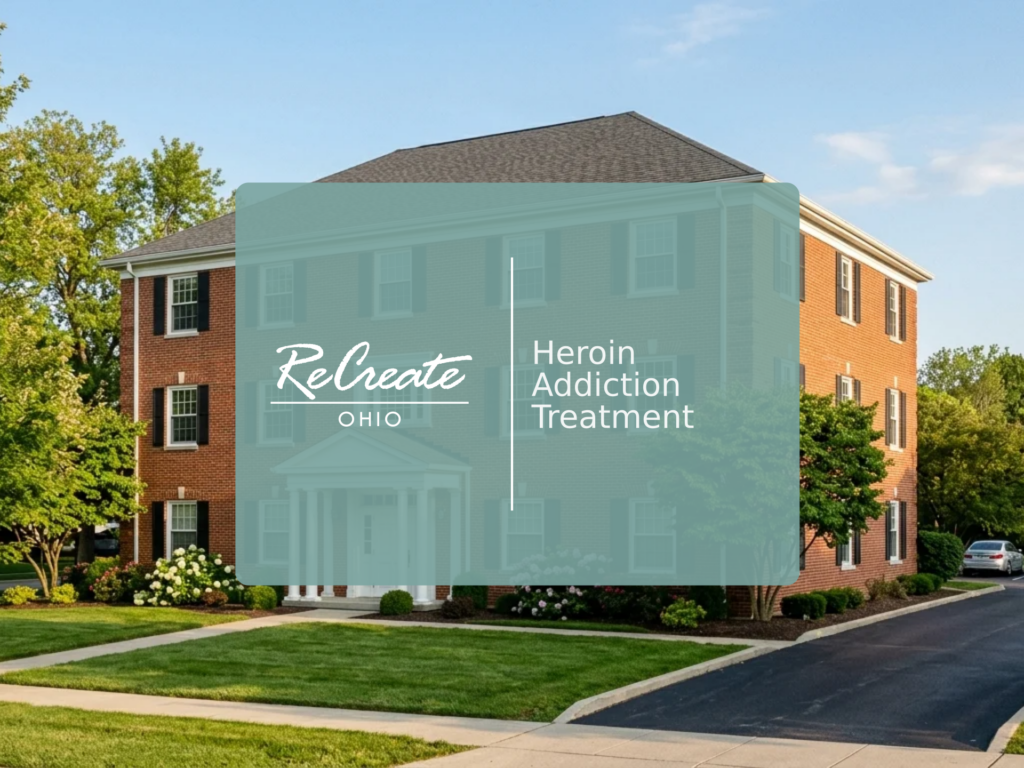
Our beautiful campus in Gahanna provides a peaceful, non-clinical setting that enhances healing—dramatically different from sterile hospital environments. Patients have their own rooms with shared bathrooms and personal amenities, creating comfortable private space while maintaining the therapeutic community that makes residential treatment so transformative. Recovery centers often feature amenities like comfortable rooms and recreational activities to enhance the patient experience, contributing to a more supportive and effective recovery journey.
Partial Hospitalization Programs (PHP)
Partial hospitalization programs provide intensive treatment during daytime hours—typically 5-6 hours daily, multiple days per week—while allowing individuals to return home each evening. PHPs serve as a step-down from residential care or as an intensive option for individuals who don’t require 24-hour supervision but need more support than standard outpatient treatment offers.
These programs include individual therapy, group sessions, medication management, and psychiatric care when needed. PHPs work well for people with stable living situations and strong support systems who can maintain recovery between sessions but still need significant daily structure and professional intervention.
Intensive Outpatient Programs (IOP)
Intensive outpatient programs typically involve 9-12 hours of treatment weekly, usually scheduled during evenings to accommodate work and family responsibilities. IOP serves individuals stepping down from higher levels of care or those whose addiction severity allows participation in treatment while maintaining employment and living at home.
Treatment includes group therapy, individual counseling, family sessions, and addiction education. The flexibility of intensive outpatient programs makes treatment accessible to people who cannot take extended time away from work or family obligations but still need substantial support for alcohol addiction recovery.
Standard Outpatient Treatment
Outpatient treatment provides ongoing support with less frequent sessions—typically 1-2 times weekly for individual therapy, group counseling, and medication management when appropriate. This level of care serves individuals in later recovery stages, those maintaining long-term sobriety, or people with less severe addiction who can safely participate in treatment while fully engaged in daily life.
Many individuals progress through multiple levels of care: beginning with medical detox and residential treatment at facilities like Recreate Ohio, then stepping down to partial hospitalization programs, intensive outpatient programs, and eventually standard outpatient care as recovery stabilizes and skills strengthen.
What Makes Recreate Ohio Different from Other Alcohol Rehab Centers

Comprehensive Detox-to-Residential Continuum
Unlike many drug and alcohol rehab facilities in Ohio that specialize in only one treatment level, Recreate Behavioral Health of Ohio provides the complete continuum from medical detoxification through residential addiction treatment. This integration eliminates dangerous gaps where patients are discharged from detox without adequate follow-up or must navigate complex referral processes to access continued care.
When you enter treatment at Recreate Ohio, you begin with medically supervised detox if needed, then transition seamlessly into our residential program without discharge, without starting over with new providers who don’t know your story, without the vulnerability of gaps in treatment that so often lead to relapse. This continuity represents a fundamental advantage over fragmented care systems.
Specialized Dual Diagnosis Treatment
Recreate Ohio specializes in treating co-occurring disorders—simultaneously addressing alcohol addiction alongside anxiety, depression, PTSD, bipolar disorder, and other mental health conditions that affect the majority of individuals struggling with substance abuse. Our clinical team includes licensed mental health professionals with expertise in both addiction and psychiatric care, ensuring integrated treatment that sees the complete picture.
This dual diagnosis approach dramatically improves outcomes because we’re not just helping you stop drinking—we’re healing the depression that made life feel unbearable, processing the trauma you’ve been numbing with alcohol, treating the anxiety that drove you to seek chemical relief. Addressing root causes creates sustainable recovery rather than temporary sobriety that crumbles when underlying issues resurface.
Many alcohol rehab centers in Ohio lack the psychiatric expertise and therapeutic resources to properly treat mental health disorders alongside addiction. They may acknowledge co-occurring conditions but refer patients elsewhere for mental health treatment, creating fragmented care where different providers work in isolation. At Recreate Behavioral Health of Ohio, your entire treatment team collaborates on a unified plan that addresses all aspects of your health.
Evidence-Based and Holistic Integration
Our treatment approach combines proven clinical therapies with holistic practices that heal mind, body, and spirit together. Evidence-based therapies like Cognitive Behavioral Therapy (CBT), Dialectical Behavior Therapy (DBT), and EMDR address addiction’s psychological components and the trauma underlying substance use.
Holistic treatments, including yoga, meditation, art therapy, and mindfulness practices, support physical healing, stress management, and spiritual growth that gives life meaning beyond alcohol. This comprehensive approach recognizes that recovery requires addressing every dimension of life—not just managing physical dependence or attending occasional counseling sessions.
Serene Healing Environment
Our campus in Gahanna provides a peaceful, beautiful setting that enhances recovery—dramatically different from clinical hospital environments or urban facilities surrounded by triggers and chaos. Set across from a municipal golf course in a quiet suburban neighborhood, Recreate Ohio offers a supportive environment where you can focus entirely on healing.
Research demonstrates that healing environments improve treatment outcomes. The serene, non-clinical atmosphere helps patients feel safe and supported, allowing the deep psychological work of recovery to unfold without constant external stressors. Many clients describe the environment of their rehab center as comfortable and supportive, which significantly enhances their ability to focus on recovery.
Part of Trusted Network with Ohio Roots
As part of the Recreate Behavioral Health Network, we bring proven multi-state expertise to Ohio while maintaining deep community connections throughout Central Ohio. We’re not a standalone facility trying to figure everything out—we’re backed by network resources, best practices developed across multiple successful programs, and infrastructure that ensures consistently excellent care.
This network connection means you benefit from collective expertise while receiving personalized, compassionate care rooted in an understanding of Ohio communities and resources. We coordinate thoughtfully with local support groups, outpatient programs, and recovery organizations throughout the state to ensure your recovery continues long after residential treatment concludes.
Evidence-Based Therapies for Alcohol Addiction

Cognitive Behavioral Therapy (CBT)
CBT helps identify and change thought patterns that drive addictive behaviors. In alcohol addiction treatment, CBT addresses the distorted thinking that justifies continued drinking, the beliefs about alcohol’s necessity for coping with stress, and the automatic thoughts triggering cravings. Through CBT, individuals develop healthier perspectives and practical strategies for managing triggers without turning to alcohol.
Our therapists guide you in recognizing high-risk situations, challenging the mental shortcuts that lead to drinking, and developing alternative coping mechanisms that support sobriety. These skills become tools you’ll use throughout recovery and life, extending far beyond addiction treatment itself.
Dialectical Behavior Therapy (DBT)
Originally developed for emotion regulation, DBT teaches skills for managing intense cravings, tolerating distress without substances, and navigating interpersonal conflicts that previously triggered drinking. For individuals whose alcohol use was primarily driven by the inability to manage overwhelming emotions, DBT provides concrete techniques that create alternatives to drinking.
The four skill areas—mindfulness, distress tolerance, emotion regulation, and interpersonal effectiveness—address core deficits common in alcohol addiction. These become essential tools for maintaining sobriety when life inevitably presents challenges that once would have driven you straight to alcohol.
Eye Movement Desensitization and Reprocessing (EMDR)
For individuals whose drinking stems from trauma—and that includes many more people than commonly realized—EMDR processes traumatic memories that fuel substance use. This specialized therapy reduces trauma’s emotional charge and breaks connections between past experiences and present drinking behaviors.
EMDR proves particularly effective for people with PTSD or complex trauma histories who’ve been using alcohol to numb painful memories and flashbacks. By healing trauma at its source, EMDR removes one of addiction’s most powerful drivers.
Motivational Interviewing
This therapeutic approach meets you exactly where you are on your recovery journey, working with ambivalence rather than against it. Many people enter alcohol rehab with mixed feelings—wanting to stop drinking but also fearing life without alcohol, recognizing problems while minimizing severity. Motivational interviewing explores this ambivalence compassionately, strengthening your own motivations for change rather than imposing external pressure.
This person-centered approach respects autonomy while guiding you toward recognizing alcohol’s impact on your life and building commitment to recovery based on your own values and goals.
Group Therapy and Peer Support
Group counseling provides opportunities to connect with others facing similar experiences, combating the isolation that alcohol addiction creates. In group sessions, you learn from peers further along in recovery, offer support to those struggling, practice new communication skills, and develop the social connections that research shows significantly improve outcomes.
The therapeutic community created in Recreate Ohio’s residential treatment extends these benefits throughout your day, not just during scheduled group sessions. Living alongside others committed to recovery creates accountability, hope, and the understanding that you’re not alone in this fight.
Holistic Approaches Supporting Whole-Person Healing
Yoga and Movement Therapy
Physical activity supports recovery by reducing stress, improving mood through natural endorphin release, and rebuilding the body-mind connection that alcohol disrupts. Yoga specifically teaches breath awareness and present-moment focus that help manage cravings and anxiety without substances.
Our yoga programming accommodates all fitness levels, focusing on healing rather than performance. Many patients discover that yoga becomes an ongoing recovery tool they continue using long after residential treatment ends.
Art Therapy
Creative expression through art provides outlets for feelings that words can’t capture, helping process trauma and emotions in new ways. Art therapy doesn’t require artistic skill—it uses the creative process itself as healing, allowing unconscious material to surface and be worked through safely.
For individuals who spent years numbing feelings with alcohol, art therapy reconnects them with emotional life while providing healthy expression methods. This becomes particularly valuable for those who struggle with traditional talk therapy or find certain emotions too overwhelming to address directly.
Meditation and Mindfulness
Mindfulness practices cultivate present-moment awareness that interrupts automatic patterns driving addictive behaviors. Instead of reacting immediately to cravings or uncomfortable emotions by drinking, mindfulness creates space between impulse and action—a space where you can choose healthier responses.
Regular meditation practice changes brain structure and function, strengthening areas involved in self-regulation while reducing reactivity in regions associated with cravings and stress responses. These neurological changes support long-term recovery by literally rewiring the brain patterns that addiction created.
Nutritional Counseling
Alcohol abuse severely impacts nutritional status, depleting essential vitamins and minerals while disrupting normal eating patterns. Nutritional counseling helps restore physical health through balanced diets that support brain healing, mood stability, and energy levels essential for engaging fully in recovery work.
Many patients are surprised by how much better they feel physically once proper nutrition is restored. This physical well-being supports mental health and motivation, creating positive feedback loops that strengthen recovery.
Understanding Insurance Coverage for Alcohol Rehab in Ohio
In-Network Benefits and Verification
Recreate Behavioral Health of Ohio is in-network with major insurance plans, including TRICARE, Cigna, Medical Mutual, Blue Cross Blue Shield, and many others serving Ohio residents. Our financial counselors provide complimentary insurance verification services, explaining your specific benefits, copayment responsibilities, deductible requirements, and coverage duration before admission.
Most insurance plans cover medical detox, residential treatment, and outpatient care as essential health benefits following federal parity laws requiring equal coverage for addiction treatment and other medical conditions. However, specific coverage levels vary by plan, making pre-admission verification important for understanding your financial responsibility.
Ohio Medicaid Coverage
Ohio Medicaid covers comprehensive addiction treatment services for eligible individuals, including medical detoxification, residential programs, outpatient counseling, and medication management. Medicaid expansion in Ohio has significantly increased access to quality addiction treatment for low-income residents who previously faced insurmountable financial barriers.
If you’re currently uninsured but potentially eligible for Medicaid, our admissions team can provide guidance about enrollment processes and help determine whether you qualify for coverage that would make treatment accessible. Although Recreate Ohio does not accept Medicaid, we can refer you to a program that does.
Private Pay and Financial Assistance
For individuals without insurance coverage or those whose plans provide limited benefits, Recreate Ohio works to identify payment options, making treatment accessible. We believe finances should not be barriers to life-saving care, and our team explores all available resources with each person seeking treatment.
Investing in comprehensive residential treatment with medical detox capability and dual diagnosis expertise often costs less long-term than cycling through multiple shorter interventions that don’t address underlying issues. Quality care producing lasting recovery represents better value than cheaper options, leaving you in the revolving door of repeated relapses.
Geographic Accessibility: Serving All of Ohio from Gahanna
Central Location Near Columbus
Recreate Ohio’s Gahanna campus provides ideal accessibility for residents throughout Central Ohio and across the state. Located just outside Columbus in a peaceful suburban setting, our facility offers a perfect combination—easy access from Ohio’s largest metropolitan area while maintaining a serene environment essential for healing.
Columbus’s central location means families from Cleveland, Cincinnati, Toledo, Akron, Dayton, Youngstown, and other Ohio communities can visit without excessive travel burden. Maintaining family connections during treatment proves important for many people’s recovery, and our accessible location facilitates ongoing family involvement.
Beautiful Campus Environment
Our campus setting across from a municipal golf course provides a peaceful, non-clinical atmosphere that enhances healing. The beautiful surroundings become part of the treatment itself, calming nervous systems overwhelmed by years of alcohol abuse and creating a safe space where deep recovery work can unfold.
The environment matters more than many people realize. Healing requires feeling safe and supported, and our serene Gahanna location provides exactly that kind of supportive environment, dramatically different from chaotic urban settings or sterile medical facilities.
Ohio Community Connections
As an Ohio-based treatment center, we understand the specific challenges facing Ohio communities and maintain strong connections with local resources supporting long-term recovery. We coordinate with support groups, outpatient programs, sober living facilities, and recovery organizations throughout the state, ensuring seamless transitions as you move from residential treatment into ongoing community support.
These Ohio connections mean we’re not just treating you and sending you back to figure everything out alone—we’re connecting you with the specific resources and support systems available in your community that will sustain your recovery for years to come.
The Role of Family in Alcohol Addiction Recovery
Family Therapy Services
Alcohol addiction impacts entire family systems, not just the person drinking. Family members often develop unhealthy patterns—enabling continued drinking, taking on responsibilities the drinker has abandoned, or creating rigid rules trying to control the uncontrollable. Family therapy addresses these dysfunctional patterns while beginning to repair damaged relationships.
At Recreate Behavioral Health of Ohio, family therapy helps loved ones understand addiction as a disease rather than a moral failing, develop healthy boundaries that support recovery without enabling, improve communication skills, and begin healing the pain and mistrust that years of active addiction created.
Family Education Programming
Education helps families understand what their loved one is experiencing in treatment, what challenges they’ll face in early recovery, and how family members can support sobriety without falling back into enabling behaviors. This knowledge empowers families to become positive forces in recovery rather than inadvertently undermining progress.
Our family programming includes educational sessions about addiction, mental health conditions, recovery processes, and practical strategies for supporting long-term sobriety. This education proves invaluable for families who’ve felt helpless watching addiction destroy someone they love.
Rebuilding Trust and Connection
Years of broken promises, lies, and alcohol-driven behaviors destroy trust that must be rebuilt gradually in recovery. Family therapy provides structured opportunities to begin this trust-rebuilding process with professional support, addressing past hurts while establishing new patterns of honest communication and mutual respect.
This family work often proves as important as individual therapy for long-term recovery success. Strong family relationships provide motivation, accountability, and practical support that help people stay clean and build fulfilling lives in sobriety.
Aftercare Planning and Long-Term Support
Coordinated Transitions to Outpatient Care
Recovery doesn’t end when residential treatment concludes—that’s when the real work of maintaining sobriety in everyday life begins. Recreate Ohio provides comprehensive aftercare planning, coordinating with community-based intensive outpatient programs, partial hospitalization programs, standard outpatient therapy, and support groups, ensuring you’re not simply discharged but thoughtfully transitioned with ongoing support.
We work with providers throughout Ohio to create seamless handoffs where your continuing care therapist understands what you’ve accomplished, what you’re still working on, and how to best support your continued progress. This coordination dramatically improves long-term recovery outcomes compared to fragmented care, where each provider starts from scratch.
Connection to Support Groups
Support groups like Alcoholics Anonymous, SMART Recovery, Celebrate Recovery, and other peer-based organizations provide ongoing community support that research shows significantly improves long-term sobriety rates. Our staff helps you connect with appropriate support groups in your community, attending initial meetings when possible to ease the transition. Many reviews emphasize the positive impacts of peer support among patients during their treatment, highlighting the importance of shared experiences in fostering recovery.
These community connections combat isolation while providing accountability, hope from others maintaining long-term recovery, and practical strategies from people with lived experience staying sober through life’s inevitable challenges.
Ongoing Check-Ins and Alumni Support
Many alcohol rehab centers in Ohio discharge patients and never maintain contact. At Recreate Behavioral Health of Ohio, we offer ongoing connection through alumni programming and check-ins supporting your continued recovery journey. Knowing you can reach out if challenges arise or simply to share victories creates a safety net that helps people maintain sobriety during difficult periods.
Our alumni community provides ongoing peer support, opportunities to give back by helping others earlier in recovery, and reminders of how far you’ve come when challenges make sobriety feel difficult.
Taking the First Step: What to Expect When You Contact Us
The Initial Call
Reaching out for help with alcohol addiction takes tremendous courage. When you contact Recreate Ohio, you’ll speak with compassionate admissions staff who truly understand what you’re experiencing because many have personal or family experience with addiction recovery. This isn’t just work for them—it’s a calling rooted in deep understanding.
We conduct a confidential assessment exploring your drinking history, mental health concerns, previous treatment attempts, if any, current medical needs, and life circumstances. This conversation helps determine whether residential treatment is appropriate and ensures we can provide the specialized care your unique needs require.
Insurance Verification and Admission Planning
Our team handles insurance verification, explaining your coverage and financial responsibility before you commit to admission. We want you fully informed about costs, what your insurance plans cover, and any out-of-pocket expenses you might face.
For individuals needing immediate placement, we offer options for same-day or next-day admission when beds are available. We never want someone ready for change to lose momentum because of scheduling barriers—when you’re ready, we’re ready.
What to Bring to Treatment
We’ll provide a detailed packing list, but generally you’ll bring comfortable clothing for daily wear, personal toiletries, necessary prescription medications in original bottles, and items providing comfort like photos or journals. We provide bedding, towels, and basic necessities.
Leave valuables, excessive cash, and anything prohibited at home. Our focus is on creating a supportive environment free from distractions where you can focus entirely on healing and recovery work.
Close: Your Journey to Freedom from Alcohol Begins Here
If you or someone you love is struggling with alcohol addiction—drinking that’s taken over your life, destroyed relationships, damaged health, or created constant stress and chaos—you’ve found a place where genuine healing is possible. While many alcohol rehab centers in Ohio provide basic detox or brief counseling, true recovery requires comprehensive care addressing the whole person: the physical dependency that makes quitting so difficult and dangerous, the underlying mental health conditions fueling continued drinking, the trauma and life circumstances that led to alcohol becoming your coping mechanism, and the complete rebuilding of a fulfilling life free from addiction’s devastation.
Recreate Behavioral Health of Ohio offers what typical drug alcohol rehab facilities cannot: on-site medical detox ensuring safe withdrawal under 24-hour medical supervision, intensive residential treatment providing therapeutic depth necessary to address addiction’s root causes, specialized dual diagnosis care treating alcohol addiction alongside anxiety, depression, PTSD, and other co-occurring mental health disorders simultaneously, and comprehensive coordination with Ohio community resources ensuring your recovery continues strong long after residential treatment concludes.
Part of the respected Recreate Behavioral Health Network, we bring multi-state expertise to Ohio while maintaining deep connections throughout Central Ohio communities. Our Joint Commission accreditation and licensing by the Ohio Department of Mental Health and Addiction Services demonstrate our commitment to world-class care standards, while our compassionate team—including physicians, nurses, therapists, and all the staff with lived experience—provides understanding and support, making transformation possible.
Located on a serene campus in Gahanna near Columbus, Recreate Ohio serves individuals throughout the state who deserve more than temporary sobriety—who deserve comprehensive treatment producing lasting recovery. Our beautiful, peaceful setting enhances healing while remaining accessible to families across Ohio who want to stay connected during their treatment journey.
Recovery from alcohol addiction is possible. Thousands of people have overcome alcohol dependence and rebuilt meaningful, fulfilling lives free from the constant desperation and chaos of active addiction. You can be one of them. The disease of addiction is treatable, and with comprehensive evidence-based treatment addressing every aspect of what alcohol has damaged, sustainable recovery becomes achievable.
But recovery requires taking that first courageous step—reaching out for help and committing to quality addiction treatment that addresses every dimension of your addiction, not just helping you stop drinking temporarily. It requires choosing a rehab facility with the medical capability to keep you safe through detox, the clinical expertise to treat co-occurring mental health conditions, the therapeutic depth to heal trauma and underlying pain, and the commitment to ensuring your recovery continues long after you leave residential care.
Don’t wait for the “right” moment. There is no perfect moment—there’s only this moment and your decision to choose recovery, to choose life, to choose the possibility of healing and reclaiming everything alcohol addiction has stolen from you. The journey may seem overwhelming right now, but you don’t have to walk it alone. Our team stands ready to support you every step of the way, from that first frightening phone call through medical detox, residential treatment, and beyond into long-term recovery and the fulfilling life you deserve.
Contact Recreate Behavioral Health of Ohio today for a confidential assessment. Our great staff is available 24/7 to answer questions, verify your insurance benefits, address concerns about finding care, and help you begin the journey toward lasting freedom from alcohol addiction. Together we fight. Together we heal. Together, recovery becomes not just possible but probable when you commit to comprehensive treatment that actually works.
Seeking help isn’t weakness—it’s the strongest, bravest thing you can do. It’s choosing hope over despair, choosing life over the slow death of active addiction, choosing the possibility that sobriety offers even when that possibility feels impossibly distant right now. Take that first step. Make the call. Begin your journey to recovery today.
Call Recreate Ohio Today. Your transformation starts here. Your new life is waiting.
Frequently Asked Questions About Alcohol Rehab in Ohio
What should I look for when choosing alcohol rehab centers in Ohio?
When seeking alcohol addiction treatment in Ohio, prioritize facilities offering comprehensive services, including medical detox capabilities, residential treatment programs, dual diagnosis care for co-occurring mental health disorders, evidence-based therapies, and coordinated aftercare planning. Verify accreditations like Joint Commission certification, check whether the rehab facility accepts your insurance plans, and ensure the treatment center employs licensed physicians, nurses, and addiction professionals. At Recreate Behavioral Health of Ohio, we provide all these essential components in one location, eliminating gaps in care while ensuring you receive quality addiction treatment from detox through residential programming and beyond.
How long does alcohol rehab typically last in Ohio?
Alcohol addiction treatment duration varies based on individual needs and addiction severity. Medical detox typically lasts 5-10 days, followed by residential treatment ranging from 30-90 days or longer, depending on progress and clinical recommendations. After residential care, many patients benefit from partial hospitalization programs (4-6 weeks), intensive outpatient programs (6-12 weeks), and standard outpatient treatment (months to years) supporting long-term recovery. Research shows that longer treatment stays generally produce better outcomes. At Recreate Ohio, our clinical team develops personalized treatment plans, determining appropriate length of stay based on your patient’s unique circumstances, addiction history, co-occurring mental health conditions, and recovery progress.
Does insurance cover alcohol rehab in Ohio?
Most insurance plans cover alcohol addiction treatment services as essential health benefits, including medical detox, inpatient care, residential treatment, partial hospitalization programs, intensive outpatient programs, and outpatient counseling. Recreate Ohio is in-network with major insurance plans serving Ohio residents, including TRICARE, Cigna, Medical Mutual, and Blue Cross Blue Shield. Ohio Medicaid also covers comprehensive addiction recovery services for eligible individuals. Specific coverage levels, copayments, and deductible requirements vary by plan, so our financial counselors provide free insurance verification before admission, explaining your benefits and financial responsibility to eliminate surprises and help you make informed decisions about seeking treatment.
What makes residential treatment better than outpatient programs for alcohol addiction?
Residential treatment provides 24-hour support in a supportive environment removed from triggers, stressors, and access to alcohol—creating optimal conditions for the deep recovery work addressing addiction’s root causes. For individuals with severe alcohol addiction, co-occurring mental health disorders, unsafe home environments, or those who’ve tried outpatient treatment without maintaining sobriety, residential care produces significantly better outcomes than outpatient programs alone. Inpatient addiction treatment at Recreate Behavioral Health of Ohio includes medical detox, ensuring safe withdrawal, intensive daily therapy addressing underlying issues, treatment for co-occurring disorders, family therapy, evidence-based and holistic therapies, and comprehensive aftercare planning—levels of care and therapeutic intensity that outpatient settings cannot match.
Can I get treatment for alcohol addiction if I also have anxiety or depression?
Yes—in fact, treating co-occurring mental health conditions alongside alcohol addiction is essential for lasting recovery. At Recreate Ohio, we specialize in dual diagnosis treatment, simultaneously addressing substance use disorders and mental health conditions like anxiety, depression, PTSD, bipolar disorder, and trauma-related issues through integrated care. Our clinical team includes licensed mental health professionals with expertise in both addiction and psychiatric treatment, ensuring you receive comprehensive care addressing all aspects of your health. Research consistently shows that individuals with co-occurring disorders achieve significantly better outcomes when both conditions receive simultaneous treatment rather than being addressed separately or sequentially. Many people initially started drinking to self-medicate unbearable anxiety or depression, making mental health treatment crucial for preventing relapse.
What happens during medical detox for alcohol addiction?
Medical detox provides 24-hour supervision while your body safely withdraws from alcohol dependence. At Recreate Ohio’s medical detox center, our physicians and nurses monitor vital signs, manage withdrawal symptoms with appropriate medications, and ensure safety throughout the 5-10 day detox process. Alcohol withdrawal can be medically dangerous—potentially causing seizures, severe agitation, hallucinations, and delirium tremens—making professional medical supervision essential for safety. Medications ease discomfort from symptoms like anxiety, tremors, elevated blood pressure, nausea, and sleep disturbances while our nursing staff provides compassionate support. Following detox, you transition seamlessly into residential treatment without discharge, ensuring continuity of care that dramatically improves outcomes compared to detox-only programs.
How does Recreate Ohio support long-term recovery after residential treatment ends?
Long-term recovery requires ongoing support extending beyond residential care. Recreate Behavioral Health of Ohio provides comprehensive aftercare planning, coordinating with community-based outpatient programs, connecting you to support groups, and maintaining alumni support, enabling ongoing check-ins. We ensure seamless transitions to intensive outpatient programs or partial hospitalization programs when appropriate, working with continuing care providers so they understand your progress and treatment plan. We help you connect with Ohio support groups like AA, SMART Recovery, and others, providing peer-based community support. Our aftercare approach recognizes that recovery is a journey requiring sustained support, and we remain committed to your success long after you complete residential treatment, offering ongoing connection through alumni programming and crisis support if challenges arise.
What if I’ve tried alcohol rehab before and relapsed?
Relapse doesn’t mean you’ve failed or that recovery is impossible—it means you need a different treatment approach or more comprehensive care addressing underlying issues previous programs didn’t adequately treat. Many people require multiple treatment attempts before achieving lasting sobriety, and each attempt teaches valuable lessons supporting eventual success. At Recreate Ohio, we carefully evaluate previous treatment experiences to understand what worked, what didn’t, and what factors contributed to relapse. We then develop personalized treatment plans addressing gaps in prior care—often focusing on untreated mental health conditions, insufficient length of stay, lack of dual diagnosis treatment, or inadequate aftercare planning. Our comprehensive approach treats the whole person, not just alcohol addiction in isolation, providing the depth of care that produces better outcomes than previous treatment attempts.
Can family members participate in treatment at Recreate Ohio?
Family involvement significantly improves alcohol addiction recovery outcomes, and we strongly encourage family participation throughout treatment. Recreate Behavioral Health of Ohio provides family therapy sessions addressing dysfunctional patterns, rebuilding trust, improving communication, and healing relationships damaged by addiction. We offer family education programming, helping loved ones understand the disease of addiction, recovery processes, and how to support their sobriety without enabling. Family members learn about mental health conditions affecting their loved one, develop healthy boundaries, and gain tools for their own healing from addiction’s impact. Our family programming recognizes that alcohol addiction affects entire family systems, not just individuals, and that family recovery supports long-term success while helping all family members heal from addiction’s devastation.
What is the difference between alcohol rehab and drug rehab centers?
While alcohol rehab centers in Ohio and drug alcohol rehab facilities treat different substances, comprehensive treatment centers like Recreate Behavioral Health of Ohio address all substance use disorders using similar evidence-based therapies and treatment structures. The primary differences involve medical detox protocols—alcohol withdrawal requires specific medications and monitoring different from opioid or stimulant withdrawal management. However, the underlying addiction disease, co-occurring mental health conditions, trauma histories, and recovery processes are fundamentally similar whether someone’s primary substance is alcohol, drugs, or both. Recreate Ohio treats both drug abuse and alcohol addiction using comprehensive approaches addressing the whole person, not just the specific substance used. Our dual diagnosis expertise, residential treatment structure, evidence-based and holistic therapies, and aftercare coordination support recovery from all substance use disorders.
Sources
- National Institute on Alcohol Abuse and Alcoholism. (2024). “Alcohol Use Disorder: A Comparison Between DSM-IV and DSM-5.” NIAAA.
- Substance Abuse and Mental Health Services Administration. (2024). “Treatment Episode Data Set (TEDS): National Admissions to Substance Abuse Treatment Services.” SAMHSA.
- American Society of Addiction Medicine. (2023). “The ASAM Criteria: Treatment Criteria for Addictive, Substance-Related, and Co-Occurring Conditions.” ASAM.
- Ohio Department of Mental Health and Addiction Services. (2024). “Behavioral Health Licensure and Treatment Standards.” OhioMHAS.
- Journal of Substance Abuse Treatment. (2023). “Integrated Treatment for Co-Occurring Alcohol Use Disorder and Mental Health Conditions: Systematic Review.” JSAT, 153, 109007.
- Joint Commission. (2024). “Behavioral Health Care Accreditation Standards.” Joint Commission Resources.
- Centers for Disease Control and Prevention. (2024). “Alcohol and Public Health: Alcohol-Related Disease Impact (ARDI).” CDC.
- National Institute on Drug Abuse. (2024). “Principles of Drug Addiction Treatment: A Research-Based Guide (Third Edition).” NIDA.