
Addiction Treatment Statistics in Ohio
Talking about addiction treatment statistics in Ohio might seem dry at first, but seated behind every number are real lives. Real Ohioans, with their own stories. Almost 700,000 Ohio residents aged 12 and above require drug rehabilitation services and treatment every year. Ohio drug abuse statistics are significant. By understanding what’s happening with drug addiction in your community, substance use disorder, drug overdose deaths, and treatment services, you become part of the solution—and a reassuring presence for someone seeking help. And if you’re ready to explore recovery, know that Recreate Behavioral Health of Ohio stands with you, offering hope, care, and a proven path forward.
The State of Ohio: A Snapshot of Substance Use & Overdose Trends
Unintentional Drug Overdose Deaths
In 2023, Ohio recorded 4,452 unintentional drug overdose deaths, a 9% decrease from 4,915 deaths in 2022. This marks the second straight year of decline, and notably, Ohio’s reduction outpaced the national average (2%).
Even more dramatic: 2024 saw an estimated 35% drop in overdose deaths statewide, the biggest one-year decline since 2019. In Cuyahoga County alone, there were 435 overdose deaths in 2024—a stark contrast to previous years. Some communities in Ohio report 40–50% annual reductions in fatal overdoses.
Despite these gains, overdose deaths still represent a pressing public health concern, fueled by illicit street drugs, prescription medications, and synthetic opioids like fentanyl. Synthetic opioids, such as fentanyl, remain the leading cause of opioid overdose deaths in Ohio, highlighting the ongoing challenges in combating this crisis.
Illicit Drugs & Trends in Substance Use
The 2023 annual report reveals drug-specific trends:
- Cocaine-related overdose deaths rose by 7% from 2022 to 2023.
- Benzodiazepine-related deaths increased by 4%.
- Meanwhile, psychostimulant-related deaths (e.g., methamphetamine) decreased by 6%, the first drop in several years.
These shifts indicate evolving risks—from heroin addiction to meth addiction, cocaine use, and misuse of prescription opioids and prescription painkillers.
Ohio’s Response: Treatment Services & Prevention
Expanding Access to Addiction Treatment & Mental Health
Ohio has taken concerted efforts to fight the opioid epidemic and support those with substance use disorders:
- Since 2019, the number of opioid treatment providers has grown from 35 to 125, a 250% increase.
- The state has also significantly expanded recovery housing and peer support programs, including over 6,000 newly certified peer supporters in roles for adults, families, and youth.
These are tangible improvements to addiction services, mental health care, and treatment programs—a great sign for anyone seeking treatment.
Harm Reduction & Prevention
Ohio is a national leader in harm reduction:
- Naloxone distribution increased by 520% from 2019 to 2023, with over 291,000 kits distributed in 2023—helping facilitate over 20,000 known overdose reversals.
Such preventive tools are critical in saving lives from opioid overdose, especially when dealing with illicit drugs, synthetic opioids, and prescription drug misuse.
Local Innovations in Ohio Counties: Franklin, Cuyahoga & Stark Counties
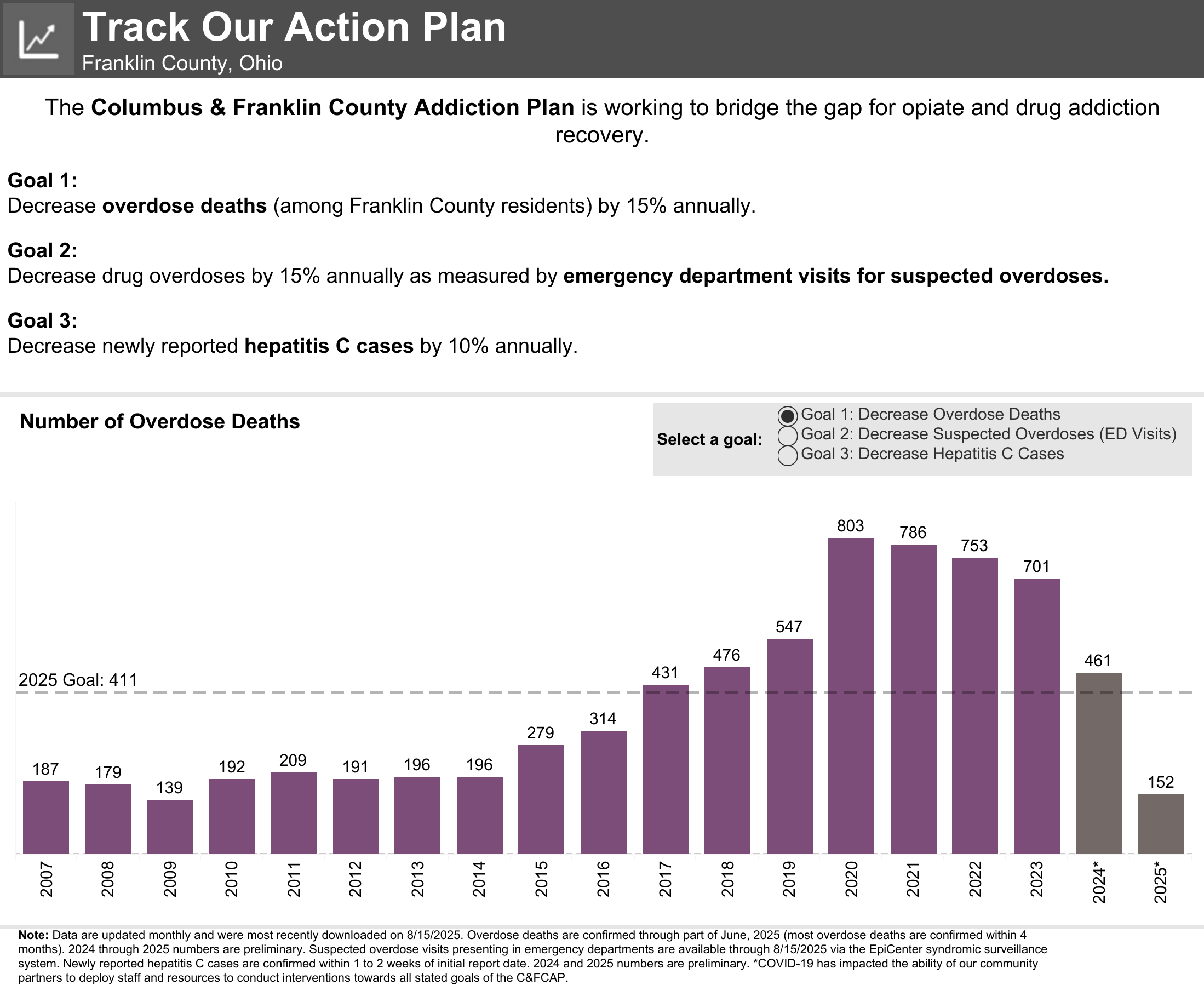
In Franklin County, overdose deaths have decreased significantly in 2024 and are following the trend in 2025.
In Cuyahoga County, overdose deaths dropped sharply in 2024 alongside statewide trends.
In Stark County (Canton), an innovative approach transformed an old newspaper vending box into a Naloxone dispenser, allowing anonymous access to life‑saving kits in high‑need areas. Stark County saw 159 deadly overdoses in 2022, with 76% involving heroin/fentanyl.
These local stories are evidence that community organizations and government agencies are joining forces to address Ohio’s addiction in nimble, creative ways.
Broader Statistics & Risk Factors
Ohio’s State Epidemiological Outcomes Workgroup (SEOW)—funded by the Substance Abuse and Mental Health Services Administration (SAMHSA) and part of the Ohio Department of Mental Health and Addiction Services—analyzes behavioral health data to guide prevention.
The Ohio Integrated Behavioral Health Dashboard offers county-level insights into opioid use disorder, overdose, and treatment services, though access requires special login rights.
Nationally, the CDC reports dramatic improvements, with some regions seeing 26%–27% reductions in overdose deaths, especially in Ohio.

What All These Numbers Mean for You (and Loved Ones)
The Human Side of the Statistics
Every statistic — like the 4,452 overdose deaths in 2023 or the 291,000 naloxone kits distributed — represents families hurting, communities working hard, and lives hanging in the balance. That’s why Recreate Behavioral Health of Ohio exists: to provide evidence-based practices, treatment services, and a personal, compassionate pathway for Ohio residents to heal and rebuild.
Ohio vs. National Average
Ohio’s recent 9% drop in overdose fatalities outperformed the 2% national decline in 2023. The 35% projected fall for 2024 puts Ohio at the forefront of progress.
Why These Gains Matter
Declines in overdose deaths aren’t just stats—they mean:
- More Ohioans are surviving fatal overdoses.
- Innovations such as free naloxone, peer programs, and expanded treatment services are effective.
- Recreate Ohio and similar providers can better connect people to recovery programs and residential treatment when they’re ready.

What Still Needs Attention
Even with hope, challenges persist:
- A fraction of those with alcohol addiction, cocaine addiction, or heroin addiction may still be unable to access treatment programs, especially outside urban centers.
- Risk factors like binge drinking, prescription opioid misuse, and mental health conditions remain prevalent.
- Social determinants—like poverty, housing, and education—keep influencing substance abuse and treatment access.
- Ohio spends two cents of every dollar on drug awareness programs and 90 cents on related damages due to substance abuse, highlighting the need for a more balanced approach.
- Ohio’s Medicaid population and county disparities mean that not all Ohio residents have equal access to addiction services.
- Social determinants—like poverty, housing, and education—keep influencing substance abuse and treatment access.
- In Ohio, approximately 90% of individuals with substance use disorders do not get the treatment they need, underscoring the need for expanded access and resources.
Recreating Recovery in Ohio: What You Can Do
If you’re wondering how to help someone or yourself, here are a few powerful moves:
1. Turn Stats Into Action
Use Ohio’s data to identify hot spots and demand for treatment services—whether it’s overdose-prone counties or underserved areas.
2. Advocate for Continued Funding
Ohio’s gains came from leadership, including expanded treatment services, increased access to naloxone, evidence-based practices, and peer support. Staying the course matters.
3. Choose Providers Who Care
At Recreate Behavioral Health of Ohio, we believe recovery starts with you—your story, your needs, your pace. Genuine care and evidence-based practices are not just words to us.
4. Highlight Community Innovation
Programs like the Canton Naloxone vending box show that healing isn’t just in hospitals—it’s in neighborhoods, churches, libraries, and living rooms. Supporting these efforts matters.

Why Recreate Behavioral Health of Ohio Helps
We don’t just know the numbers—we see the people behind them. The Ohio Department of Mental Health & Addiction Services licenses us. Additionally, we are an accredited organization by the Joint Commission.
When you come to Recreate Ohio, you’ll find:
- Individualized treatment informed by Ohio’s evolving addiction landscape.
- Staff who understand local trends in opioid overdose, heroin abuse, or meth addiction.
- Seamless connection to recovery programs, residential treatment, and mental health services.
- A voice saying: “We see you, your story matters, and together we’ll navigate this.”
Data with Heart
Addiction treatment statistics in Ohio reveal both struggle and hope. Yes, many lives are still lost to illicit drugs and misuse of prescription medications. But the dramatic declines in overdose deaths—from 9% in 2023 to an astounding 35% estimated drop in 2024—underscore that change is happening. It is estimated that 18.3% of Ohio residents aged 12 and older have a substance use disorder, higher than the national average of 17%.
Ohio’s investment in treatment services, mental health care, peer support, and harm reduction is working. But those numbers will mean nothing without real support for real people. That’s where Recreate Behavioral Health of Ohio comes in.
If you or someone you love is seeking addiction recovery, reach out to us. Let’s turn these numbers into stories of your strength, growth, and a healthier Ohio. Call us today.
Frequently Asked Questions (FAQ)
Sources:
https://www.washingtonpost.com/health/2025/05/02/trump-naloxone-overdose-funding-cuts
https://mha.ohio.gov/research-and-data/data-and-reports
https://cfcap-columbus.hub.arcgis.com/pages/community-data-dashboards
https://drugabusestatistics.org/alcohol-abuse-statistics/#ohio
https://drugabusestatistics.org/drug-overdose-deaths/#ohio
https://recoveryohio.gov/home/news-and-events/all-news/od-death-report-2024
https://www.axios.com/local/cleveland/2025/05/19/ohio-overdose-deaths-2024-data
https://www.vox.com/public-health/411089/us-drug-overdose-deaths-fentanyl-narcan-rfk