

When mental health concerns or substance use disorders require more support than traditional outpatient treatment can provide, but you don’t need to stay overnight in a hospital, a partial hospitalization program offers the perfect middle ground. This level of care delivers the intensive, comprehensive treatment you need while allowing you to return home each evening to maintain connections with family and continue practicing your recovery skills in real-world settings.
Partial hospitalization programs represent a crucial component of Ohio’s behavioral health continuum, providing structured, intensive treatment for individuals who need significant support but can safely remain in their community. These programs bridge the gap between inpatient hospitalization and less intensive outpatient services, offering the medical oversight and therapeutic intensity of hospital-based care without requiring you to stay overnight.
Understanding Partial Hospitalization Programs
A partial hospitalization program (PHP) is a structured behavioral health treatment program that typically operates five to six hours per day, five days per week. Unlike inpatient treatment, where you stay overnight at a facility, PHP allows you to return home each evening, maintaining important family connections and community ties while receiving intensive therapeutic support. PHP offers a structured outpatient treatment option for individuals who require intensive therapy during the week.
This level of care is designed for individuals who need more comprehensive treatment than an intensive outpatient program can provide. While intensive outpatient programs typically meet for nine to twelve hours per week, partial hospitalization involves twenty-five to thirty hours of programming weekly, offering much more intensive therapeutic intervention and medical monitoring.
The program hours are typically structured to mirror a full work or school day, usually running from morning through early afternoon. This schedule allows participants to engage in comprehensive treatment while still having time for family responsibilities, self-care, and practicing newly learned coping skills in their home environment.
Most partial hospitalization programs last between two and four weeks, though duration depends entirely on your individual progress and treatment goals. The intensive nature of PHP often leads to more rapid symptom improvement and skill development compared to less intensive outpatient treatments. However, the length of stay in a PHP can vary, typically lasting between four and eight weeks, depending on individual needs and recovery progress.

Who Benefits from Partial Hospitalization?
Partial hospitalization programs serve individuals at critical points in their recovery journey. You might benefit from PHP if you’re stepping down from inpatient treatment and need continued intensive support before transitioning to outpatient care. Many people find that PHP provides the structure and accountability they need while adjusting to life outside the hospital setting.
This level of care is also ideal for preventing inpatient hospitalization when your mental health symptoms have intensified beyond what outpatient treatment can manage. PHP can provide the intensive intervention needed to stabilize your condition and develop stronger coping skills without the disruption of a hospital stay.
Individuals with co-occurring disorders – those experiencing both mental health conditions and substance use disorders simultaneously – often benefit significantly from the comprehensive approach that partial hospitalization provides. The program can address both conditions concurrently with specialized treatments and medication management. PHP participants often work with licensed professionals, including therapists and psychiatrists, in a structured therapeutic environment.
People dealing with severe depression, anxiety disorders, bipolar disorder, or other mental health conditions that significantly impact their daily life often find that PHP provides the right balance of intensive support and real-world practice. The program allows you to work on your recovery during the day while testing your skills in your home environment each evening.
Teens and adults who need intensive support but want to maintain their connection to family, school, or work often find partial hospitalization to be the ideal solution. The program provides comprehensive treatment without completely removing you from your support systems and daily responsibilities.
Core Components of Partial Hospitalization Programs
Comprehensive Daily Programming
Partial hospitalization programs offer structured, full-day programming that typically includes multiple therapy sessions, educational groups, and skill-building activities. Your day might begin with a community meeting, followed by group therapy sessions, individual therapy, educational presentations, and therapeutic activities designed to help you develop practical coping skills. Holistic approaches, such as yoga and mindfulness, may also be included in PHP to enhance recovery.
The intensive daily structure helps establish healthy routines and provides multiple opportunities throughout each day to practice new skills and receive feedback from your treatment team. This frequency of contact allows for rapid identification and adjustment of treatment strategies based on your progress.
Group Therapy Sessions and Therapeutic Communities
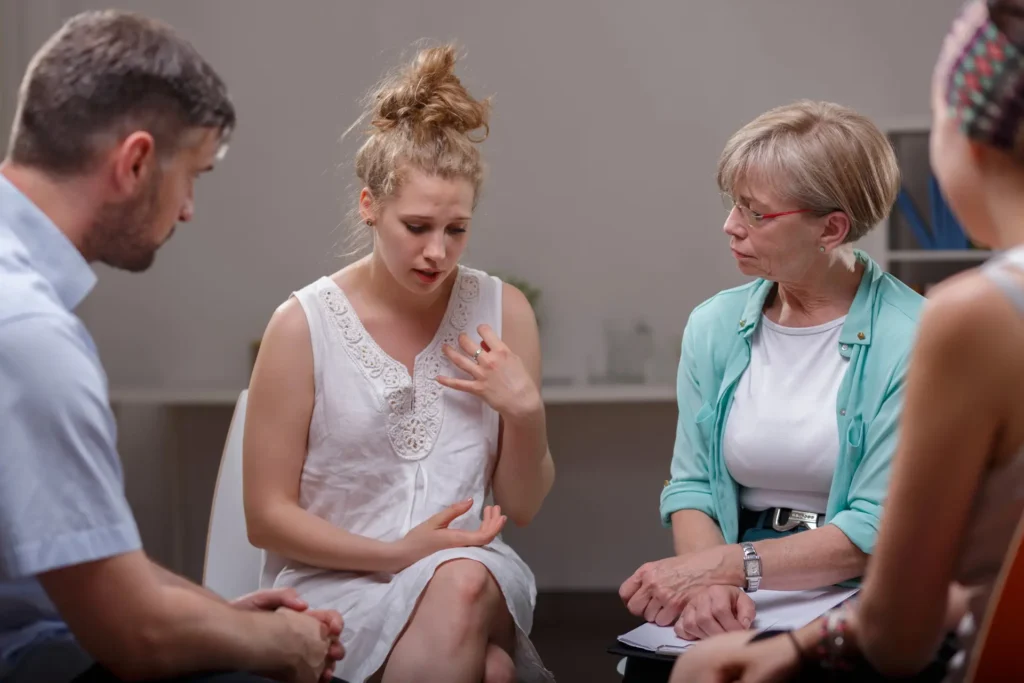
Group therapy forms a central component of most partial hospitalization programs, with multiple group sessions occurring throughout each day. These groups focus on different aspects of recovery, from processing emotions and developing communication skills to learning relapse prevention strategies and building social skills.
The therapeutic community aspect of PHP means you’ll be working alongside others who are facing similar challenges. This peer support often becomes a powerful motivator and source of hope, as you witness others making progress and receive encouragement for your own efforts.
Groups in PHP settings often focus on specific skills training, such as dialectical behavioral therapy techniques for emotional regulation, cognitive behavioral strategies for managing negative thoughts, or communication skills for improving family and interpersonal relationships.
Individual Therapy and Personal Treatment Plans
While group programming provides community support and shared learning, individual therapy sessions ensure that your specific needs and treatment goals are addressed. Your personal treatment plan is developed collaboratively with your treatment team and regularly updated based on your progress and changing needs.
Individual sessions often focus on processing experiences from group sessions, working through personal trauma or family issues, and developing individualized strategies for managing your specific symptoms and challenges. Your therapist helps you integrate what you’re learning in groups with your personal recovery goals and life circumstances.
Medication Management and Medical Oversight
Partial hospitalization programs typically include comprehensive medication management services, with psychiatrists or nurse practitioners closely monitoring your medications and making adjustments as needed. The daily contact allows for more frequent assessment of medication effectiveness and side effects compared to traditional outpatient care.
This level of medical oversight is particularly important for individuals stepping down from inpatient care or those whose symptoms require careful monitoring. The medical team can quickly identify and address any concerns, helping prevent the need for hospitalization while ensuring your safety and treatment effectiveness.
Family Therapy and Support Systems
Recognizing that recovery occurs within the context of relationships, most partial hospitalization programs include family therapy components. These sessions help educate family members about your condition, teach them how to provide appropriate support, and address family dynamics that might impact your recovery.
Family involvement in PHP often includes education about mental health conditions, substance use disorders, and recovery processes. Family members learn practical skills for supporting your treatment goals while maintaining healthy boundaries and taking care of their own needs.
Partial Hospitalization Programs in Ohio’s Behavioral Health System
Ohio has developed a robust network of partial hospitalization programs throughout the state, recognizing the important role this level of care plays in preventing more costly and disruptive inpatient hospitalizations. The Ohio Department of Mental Health and Addiction Services has supported the expansion of PHP services as part of the state’s commitment to community-based treatment options.
In central Ohio, including the Columbus and Gahanna area, partial hospitalization programs have evolved to serve diverse populations with varying needs. Many programs offer specialized tracks for different age groups, with separate programming for teens and adults, and some offer specialized services for specific conditions like eating disorders or trauma-related conditions.
Ohio’s insurance regulations generally provide strong coverage for partial hospitalization when it’s medically necessary, with most major insurance plans recognizing PHP as an essential behavioral health benefit. Medicaid expansion in Ohio has also improved access to these services for individuals and families who might not otherwise be able to afford intensive treatment.
The state’s approach emphasizes integrated care, meaning your PHP team coordinates closely with your primary care physician, psychiatrist, and other healthcare providers to ensure comprehensive treatment. This collaborative approach is particularly valuable for individuals with complex medical and mental health needs.
Dialectical Behavioral Therapy and Evidence-Based Treatments
Many partial hospitalization programs in Ohio incorporate dialectical behavioral therapy (DBT) as a core treatment component. DBT teaches practical skills for managing intense emotions, improving interpersonal relationships, and reducing self-destructive behaviors. The intensive nature of PHP allows for comprehensive DBT skills training with immediate opportunities to practice these skills.
The four core modules of DBT – mindfulness, distress tolerance, emotion regulation, and interpersonal effectiveness – are particularly well-suited to the PHP format. Participants can learn these skills in the morning and practice them during breaks, meals, and interactions throughout the day, then process their experiences in afternoon groups.
Other evidence-based treatments commonly integrated into PHP include cognitive behavioral therapy for addressing negative thought patterns, trauma-informed care approaches for individuals with PTSD or complex trauma, and motivational interviewing techniques for individuals with substance use concerns.
The intensive format of partial hospitalization allows for more comprehensive implementation of these evidence-based treatments compared to traditional outpatient therapy, often leading to more rapid skill development and symptom improvement.
How Recreate Ohio Ensures Seamless Transitions Through Partial Hospitalization
At Recreate Ohio, we recognize that partial hospitalization often serves as a critical bridge in the recovery journey, whether someone is stepping down from residential treatment or needs intensive support to prevent inpatient hospitalization. Our comprehensive approach to care coordination ensures that individuals receive the right level of support at precisely the right time in their recovery.
When individuals complete treatment at our facility, we understand that maintaining momentum in recovery requires carefully planned transitions to appropriate levels of continuing care. For many people, partial hospitalization provides the ideal next step – offering intensive support while allowing them to begin practicing their recovery skills in their home environment and community.
Our clinical team conducts thorough assessments to determine whether partial hospitalization is the appropriate level of care for each individual’s unique circumstances. We consider factors such as symptom severity, support systems, co-occurring disorders, and treatment goals to ensure the best possible match between individual needs and program offerings.
If you’re uncertain about whether partial hospitalization is right for your situation, call Recreate Ohio today. Our experienced clinical team can help assess your needs and determine the most appropriate level of care for your current circumstances.
We maintain strong relationships with high-quality partial hospitalization programs throughout central Ohio, allowing us to match individuals with programs that offer the specific therapeutic approaches, scheduling options, and specialized services that will best support their recovery goals. Our relationships with these programs enable us to facilitate smooth transitions and ensure continuity of care.
Our commitment to your care extends beyond the initial referral. We actively coordinate with your PHP treatment team to share relevant clinical information, discuss treatment progress, and plan for subsequent steps in your recovery journey. This coordination helps ensure that your treatment remains consistent and that all providers are working toward the same recovery goals.
For families, we provide comprehensive education about what to expect during partial hospitalization, how to create a supportive home environment, and how to navigate the practical aspects of PHP attendance. We help families understand their role in supporting recovery while maintaining appropriate boundaries and expectations.
Building Recovery Skills in Everyday Life
One of the unique advantages of partial hospitalization is the opportunity to practice recovery skills in real-world settings between program sessions. Unlike inpatient treatment where you’re in a controlled environment, PHP allows you to immediately apply what you learn in therapy to your actual life circumstances.
During your time in partial hospitalization, you’ll work with your treatment team to identify specific situations in your everyday life where you can practice new coping skills. Whether it’s managing work stress, communicating with family members, or handling triggers for substance use, you’ll have immediate opportunities to test and refine your strategies.
The program structure helps you develop sustainable daily routines that support long-term recovery. Many participants find that the consistency of attending PHP helps them establish better sleep patterns, meal schedules, and self-care practices that continue long after formal treatment ends.
Your treatment team regularly discusses how well your new skills are working in real-world situations, helping you adjust and improve your strategies based on actual experiences. This real-time feedback loop accelerates skill development and increases confidence in your ability to maintain recovery independently.
The transition planning that occurs throughout PHP helps ensure that you’re prepared for the next level of care, whether that’s intensive outpatient programming, traditional outpatient therapy, or independent recovery maintenance with periodic check-ins.

Taking the Next Step Toward Recovery
If you’re struggling with mental health concerns or substance use disorders that feel overwhelming, partial hospitalization might provide the intensive support you need while allowing you to maintain important connections to family and community. This level of care has helped thousands of Ohioans stabilize their symptoms, develop effective coping skills, and build sustainable recovery plans.
Call Recreate Ohio if you need guidance about whether partial hospitalization is appropriate for your current situation. Our clinical team can help assess your needs, explain your options, and connect you with the right level of care to support your recovery goals.
The decision to seek intensive treatment takes courage, but you don’t have to navigate this journey alone. Professional support is available, and the right treatment program can help you develop the skills and confidence needed to build a fulfilling, healthy life.
Remember that recovery is a process, and partial hospitalization represents just one valuable tool in the continuum of care. With the right support and treatment approach, lasting recovery is not only possible but achievable.
Frequently Asked Questions
How many hours per day does a partial hospitalization program require?
Most partial hospitalization programs in Ohio operate five to six hours per day, five days per week, for a total of twenty-five to thirty hours weekly. Programs typically run during daytime hours, often from morning through early afternoon, allowing participants to return home each evening.
What’s the difference between partial hospitalization and intensive outpatient programs?
Partial hospitalization is more intensive than intensive outpatient programs. While IOP typically involves nine to twelve hours of programming per week, PHP requires twenty-five to thirty hours weekly. PHP is designed for individuals who need more comprehensive daily support but don’t require overnight hospitalization.
Do I stay overnight in a partial hospitalization program?
No, partial hospitalization programs allow you to return home each evening. You attend intensive programming during the day but sleep in your own bed and maintain connections with family and community. This distinguishes PHP from inpatient treatment, where you stay overnight at the facility.
How long does a typical partial hospitalization program last?
Most partial hospitalization programs last between two and four weeks, though duration varies based on individual progress and treatment goals. The intensive nature of PHP often leads to more rapid improvement compared to less intensive outpatient treatments, allowing for shorter overall treatment duration.
Will my insurance cover partial hospitalization in Ohio?
Most major insurance plans in Ohio cover partial hospitalization when it’s medically necessary. PHP is generally recognized as an essential behavioral health benefit. Coverage specifics vary by plan, so it’s important to verify your benefits and understand any requirements like prior authorization.
Can I work while attending a partial hospitalization program?
Due to the intensive daily schedule of PHP (typically five to six hours per day, five days a week), most participants cannot maintain full-time employment during treatment. However, some people arrange modified work schedules, take medical leave, or work part-time during PHP. Discuss your work situation with the program staff to explore options.
What happens if my symptoms worsen during partial hospitalization?
PHP programs include medical oversight and crisis intervention capabilities. If your symptoms worsen significantly, your treatment team can help coordinate a step-up to inpatient care if necessary. The goal is always to provide the appropriate level of support for your current needs while maintaining your safety.
Are there age-specific partial hospitalization programs?
Yes, many partial hospitalization programs in Ohio offer separate programming for different age groups. There are specialized programs for teens, young adults, and older adults, as these populations often have different therapeutic needs and benefit from age-appropriate peer groups.
What should I expect on my first day of partial hospitalization?
Your first day typically includes orientation to the program structure, completion of assessments, meeting with your treatment team, and beginning to participate in group activities. The staff will help you understand the daily schedule, program expectations, and how to make the most of your treatment experience.
How do I prepare for partial hospitalization?
Preparation might include arranging time off work or modified schedules, organizing childcare if needed, ensuring transportation to and from the program, and gathering any medical records or medication information. The program staff can provide specific guidance about what to bring and how to prepare for your first day.
#Program #Treatment #Outpatient #Hospitalization #Patient #Therapy #Mental