


You’ve probably had it sitting in your medicine cabinet for years — a bottle of cough syrup with a name like Robitussin or Delsym. It’s sold at every pharmacy in Ohio. It requires no prescription. And taken at the recommended dose, it does exactly what it’s supposed to do: suppress a cough. But dextromethorphan, the active ingredient known as DXM, has a second story that most people never expect until it’s affecting someone they love.
What is DXM? Dextromethorphan (DXM) is an over-the-counter cough suppressant found in more than 120 cold and flu medications. At therapeutic doses, it’s safe and effective. At high doses — far above what the label recommends — it produces dissociative, hallucinogenic effects that have made it a target for misuse, particularly among teenagers and young adults. It’s legal. It’s cheap. And it’s everywhere.
When DXM misuse escalates into a pattern of compulsive use, it rarely travels alone. Anxiety, depression, and other underlying conditions are almost always part of the picture — which is exactly why Recreate Behavioral Health of Ohio approaches substance misuse the way it does. Staffed by licensed clinicians who hold graduate-level training and specialize in co-occurring disorders, Recreate Ohio provides medically supervised detox and residential treatment for adults across Central Ohio. If DXM has become something more than a cold remedy in your household, this is the place where that changes.
What Exactly Is DXM?

Dextromethorphan is a synthetic compound developed in the 1950s as a safer alternative to codeine for cough suppression. It works by acting on the brain’s cough center — but at high doses, its mechanism shifts dramatically. At recreational quantities (sometimes 10 to 50 times the recommended dose), DXM becomes a dissociative anesthetic with effects that can resemble those of ketamine or phencyclidine (PCP).
So what does that actually look like?
The effects vary based on how much someone takes. People in the substance use field often refer to four distinct “plateaus” of DXM intoxication:
| Plateau | Approximate Dose | Common Effects |
|---|---|---|
| First | 100–200 mg | Mild stimulation, euphoria, slight perceptual changes |
| Second | 200–400 mg | Significant dissociation, impaired coordination, altered time perception |
| Third | 400–600 mg | Visual and auditory hallucinations, loss of coordination, confusion |
| Fourth | 600+ mg | Severe dissociation, memory loss, risk of seizure or respiratory depression |
The standard adult dose for cough suppression is 15–30 mg every four to six hours. People misusing DXM are frequently consuming 300 to 1,500 mg in a single session. That gap — between what’s safe and what’s being used — is where the danger lives.
Client Spotlight
A mother in the Columbus area called Recreate Ohio after finding empty cough syrup bottles hidden in her 19-year-old son’s room — seventeen of them. He’d been buying them at different stores to avoid drawing attention. He was sleeping through entire days, struggling to speak clearly, and had withdrawn completely from the friends he’d had since middle school. When she called, she didn’t know what DXM was. She just knew something was deeply wrong. Our admissions team walked her through what DXM does to the brain, what residential treatment looks like for someone her son’s age, and how to have a conversation with him that opened a door rather than slamming one shut. He entered our program three days later.
Is DXM an Opioid?
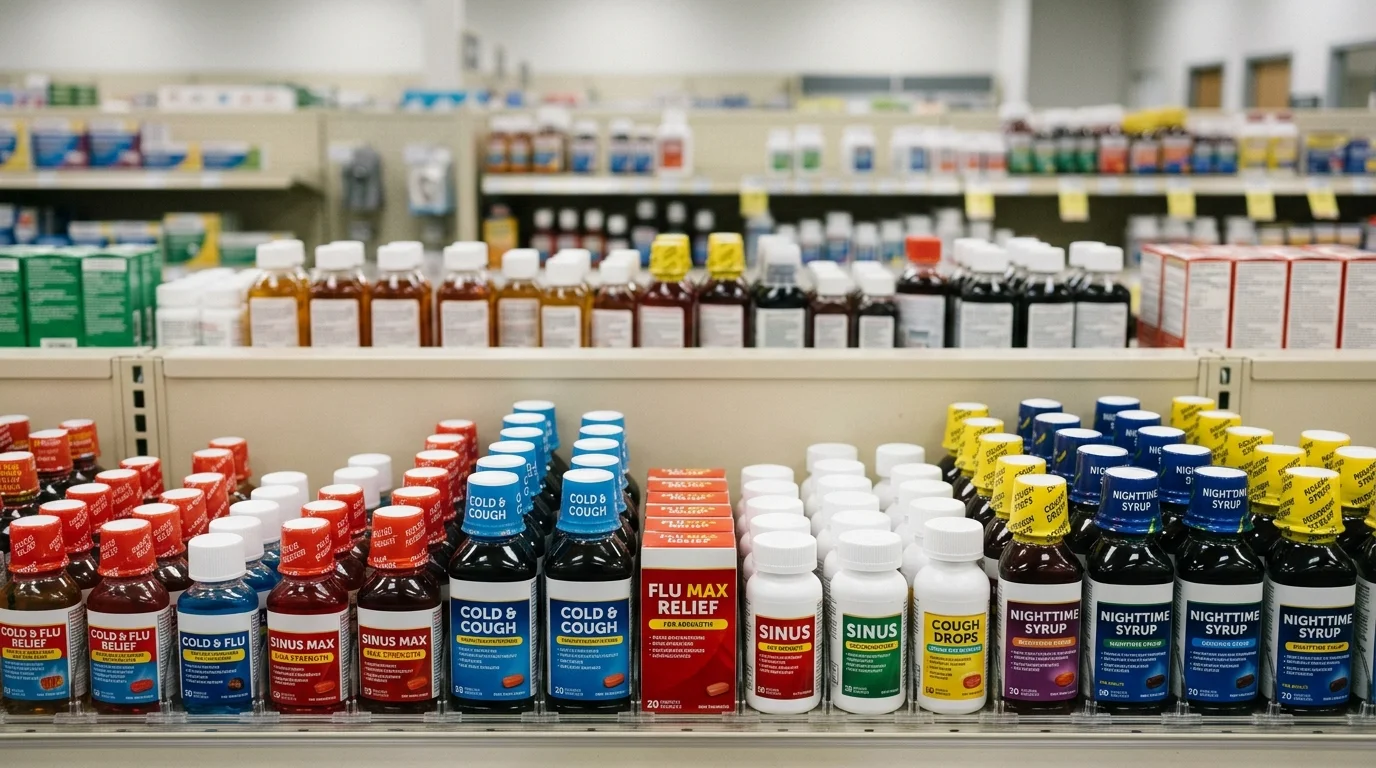
No. DXM is not an opioid — but it’s easy to see why people wonder. It was originally developed partly to replace codeine, which is an opioid. And like opioids, DXM acts on certain brain receptors that regulate mood and pain. But the mechanism is different.
DXM primarily works by blocking NMDA receptors — the same receptors targeted by ketamine and PCP. It’s classified as a dissociative drug, not an opioid. It doesn’t bind to opioid receptors in the same way, and opioid-specific medications like naloxone don’t reverse a DXM overdose the same way they would an opioid overdose. This is an important clinical distinction, especially for anyone seeking treatment or responding to a medical emergency.
What DXM does share with opioids is a potential for dependence. With repeated high-dose use, the brain adapts. You need more to feel the same effects. Stopping starts to feel physically and psychologically terrible. That’s dependence — and it responds to proper treatment.
Is DXM Like Benadryl?
Not really, no. Benadryl (diphenhydramine) is an antihistamine that causes sedation. DXM is a cough suppressant that, at high doses, causes dissociation and hallucinations. They’re both found in over-the-counter products, but their mechanisms and misuse potential are quite different.
Some combination cold medicines contain both ingredients, which is part of why reading labels matters — especially for anyone in recovery or the family of someone who misuses substances.
Is Dextromethorphan Stronger Than Adderall?
Comparing DXM and Adderall (amphetamine) is a bit like comparing apples to a socket wrench — they affect the brain through completely different pathways. Adderall increases dopamine and norepinephrine activity. DXM blocks NMDA receptors and produces dissociation. “Stronger” isn’t really the right frame.
What matters clinically is that both can be misused, both carry dependence risk, and both are more complex to treat when they’re part of a picture that also includes mental health conditions. (Which, more often than not, they are.)
Will DXM Show Up on a Drug Test?
This one comes up often. Yes — dextromethorphan can cause a false positive for PCP on certain urine drug screens. It can also, in some cases, show up as an opioid. The window depends on the quantity used and the type of test, but high-dose DXM use can be detected for one to four days in standard urine screening.
If you’re in a situation where drug testing matters — employment, probation, custody — it’s worth being honest with whoever is administering the test about any medications taken, including over-the-counter ones. That’s not a loophole. That’s just accurate information.
Is DXM Legal to Purchase?
In the United States, DXM is legal and available without a prescription for adults. However, most states — including Ohio — have laws restricting the sale of DXM-containing products to people under 18. In Ohio, retailers cannot knowingly sell finished drug products containing dextromethorphan to anyone under 18 without a prescription. Despite this, it remains one of the most commonly misused substances among teenagers precisely because it doesn’t require a prescription for adults to purchase.
Legality doesn’t mean safety at recreational doses. Not even close.
What Does DXM Addiction Look Like in Real Life?
Dependence on DXM doesn’t always announce itself the way other addictions might. There’s no distinctive smell. No needle marks. No prescription bottle to trace. The signs tend to be behavioral and psychological — and they can be subtle until they suddenly aren’t.
Watch for:
- Missing or frequently purchased cough syrup products (sometimes called “robotripping” or “robo-dosing” in street slang)
- Significant changes in sleep patterns — oversleeping or complete reversal of day/night cycles
- Slurred speech, loss of coordination, or an apparent “drunk” state without alcohol odor
- Social withdrawal from people and activities that used to matter
- Paranoia, confusion, or difficulty thinking clearly even when not visibly intoxicated
- Anxiety or irritability when DXM isn’t available
- Declining performance at school or work
The mental health dimension here is real and important. Many people who develop a pattern of DXM misuse are self-medicating something — undiagnosed depression, anxiety, PTSD, social phobia. They found something that numbed the noise. That doesn’t make the misuse less dangerous. It makes treating only the substance use — without addressing what’s underneath — incomplete care.
What Treatment for DXM Misuse Actually Looks Like
Can DXM cause a physical withdrawal? Yes, it can — particularly after prolonged high-dose use. Symptoms can include anxiety, insomnia, dysphoria, and in some cases more significant neurological effects. The severity varies. But the bigger challenge with DXM, clinically speaking, is often the co-occurring mental health condition that drove the misuse in the first place.
Treatment that actually works addresses both.
Client Spotlight
Will came to Recreate Ohio having used DXM heavily for about two years. He’d started in college — two, three bottles a night on weekends, then more frequently. By the time he reached us, he was having panic attacks daily and hadn’t been to class in a semester. He told our intake team he wasn’t sure whether the anxiety caused the DXM use or the DXM caused the anxiety. The honest answer, clinically, was both. In residential treatment, Will’s care plan addressed the substance use and his anxiety disorder simultaneously. He did CBT work that helped him recognize the thought patterns that made him reach for the bottle. He participated in group therapy with other adults who understood the specific shame of having an addiction to something you bought at a Walgreens. He’s now in an outpatient program and back in school.
At Recreate Ohio, what treatment for DXM misuse can include:
- Medical evaluation at intake — understanding the extent of use, identifying withdrawal risks, and screening for co-occurring conditions
- Medically supervised stabilization — 24/7 monitoring during the initial phase, with medication-assisted support where appropriate
- Cognitive Behavioral Therapy (CBT) — identifying the thought patterns and emotional triggers that maintain substance use
- Dialectical Behavior Therapy (DBT) — building distress tolerance and emotional regulation skills, especially relevant when anxiety or mood instability is part of the picture
- Dual diagnosis treatment — addressing any co-occurring depression, anxiety, PTSD, or other condition as an integrated part of the care plan
- Group and individual therapy — building honest connection, processing shame, and developing practical coping strategies
- Transition planning — working with community partners to coordinate step-down to intensive outpatient or outpatient care when residential treatment concludes
Recovery doesn’t end at discharge. Recreate Ohio works with trusted community partners to ensure clients move into outpatient care with real support already in place — not a gap where relapse fills the void.
What Sets Recreate Behavioral Health of Ohio Apart for This Kind of Work
Joint Commission accreditation matters — it means our clinical standards are independently verified. So does licensure from the Ohio Department of Mental Health and Addiction Services. But what actually shapes the care at Recreate Ohio is the dual diagnosis philosophy that runs through everything we do.
We don’t treat DXM misuse as a cough syrup problem. We treat it as a behavioral health condition with clinical roots that deserve real clinical attention. That means every person who comes through our doors gets a treatment plan built around them — their history, their mental health, their specific pattern of use, their goals for recovery.
We’re in-network with Cigna, Medical Mutual, Blue Cross Blue Shield, Tricare, and most major carriers. Financial barriers shouldn’t stand between someone and the care they need. Our admissions team verifies insurance directly — you don’t have to figure that part out alone.
Our serene campus in Gahanna, Ohio — just minutes from Columbus — offers a quiet environment where people can step back from daily stressors and do serious work. The grounds sit near Big Walnut Creek, across from a municipal golf course. It’s a setting designed for focus and healing — not a retreat, not a spa, but a purposefully calm place where hard, necessary work actually happens.
Supporting Articles
- Treatment for Prescription Drug Addiction — Covers how Recreate Ohio approaches dependence on legally available substances, including the clinical and mental health dimensions of prescription and OTC drug misuse.
- Dual Diagnosis Treatment Centers in Ohio — A deeper look at co-occurring disorder treatment and why addressing addiction alongside mental health conditions produces significantly better outcomes.
- Residential Addiction Treatment Ohio — Explains what a residential treatment stay actually looks like day to day, what to expect at intake, and how the programming is structured around individual needs.
- Anxiety and Addiction Treatment Ohio — Explores the relationship between anxiety disorders and substance use — directly relevant to many people misusing DXM as a form of self-medication.
- Cbt Therapy for Addiction Ohio — A detailed look at how Cognitive Behavioral Therapy works in the context of addiction and co-occurring disorders.
Frequently Asked Questions
No. Dextromethorphan is a dissociative drug, not an opioid. It works primarily by blocking NMDA receptors in the brain — a different mechanism than opioids, which bind to opioid receptors. While it shares some surface-level similarities with opioid-based cough suppressants like codeine, DXM is chemically and pharmacologically distinct.
DXM refers to dextromethorphan, the active cough-suppressing ingredient in more than 120 over-the-counter medications, including Robitussin and Delsym. At recommended doses, it’s a safe cough suppressant. At high doses — well beyond what any label recommends — it produces hallucinations, dissociation, and significant impairment.
No. Benadryl (diphenhydramine) is an antihistamine that causes sedation. DXM is a cough suppressant that at high doses acts as a dissociative drug. They appear in some of the same over-the-counter products, but their effects on the brain and their misuse profiles are quite different.
DXM is legal for adults in the United States without a prescription. Most states, including Ohio, restrict the sale of DXM-containing products to individuals under 18. Legal availability doesn’t eliminate the risks — at recreational doses, dextromethorphan can cause serious harm and dependence.
High-dose DXM use can cause a false positive for PCP on certain urine drug screens and may in some cases trigger an opioid flag. Detection windows generally range from one to four days depending on the amount used and the type of test. If you’ve taken any over-the-counter medication, disclosing it to the testing administrator is the right move.
DXM and Adderall work through entirely different brain pathways, making a direct “strength” comparison meaningless clinically. Adderall affects dopamine and norepinephrine; DXM blocks NMDA receptors. Both carry misuse potential. Both can become part of a co-occurring disorder picture that requires integrated treatment.
Yes. With repeated high-dose use, the brain adapts and tolerance builds — meaning more is needed to produce the same effect. Stopping can produce withdrawal symptoms including anxiety, insomnia, and dysphoria. Dependence on DXM is a real clinical condition, and it responds to proper behavioral health treatment, particularly when co-occurring mental health conditions are also addressed.